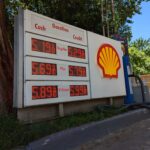
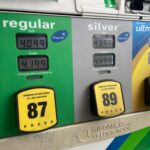
The news has been replete this week with stories on expected gas price increases through the summer months and, most likely, the rest of the year. With an increase in global demand, supply constraints and petroleum markets a crisis away from berserk, there’s a good chance that higher gas prices will remain the norm for the foreseeable future, though the upward path could vary considerably between gentle annual acceleration and wallet-crushing moonshot.
With this in mind, DCist has been thinking about the potential outcomes that commuters and their urban areas might experience. We have some thoughts, but we want to harness the power of the Internets for some policy wonketry.
With long-term increases on the horizon, drivers probably will first substitute away from the largest cars to more efficient means of getting around, such as carpools, hybrids or telecommuting. Beyond that, urban denizens might consider altering their commutes to include public transportation, rail or bus. Beyond that, it seems plausible that cities with poor transit options may suffer relative to cities with decent transit options, as the cost of getting to and from work eliminates the benefits of sprawled out locales (like lower real estate costs). This is what we think, but we want some additional opinions.
So talk it up in the comments. How much would gas prices have to rise before you (drivers) altered your commuting habits? Will long term gas price increases change the way cities and the nation as a whole approach transit (and point us toward studies, if you know of some)? Or is our original premise off base? What do you think?
Picture taken by techne.