Martin Austermuhle
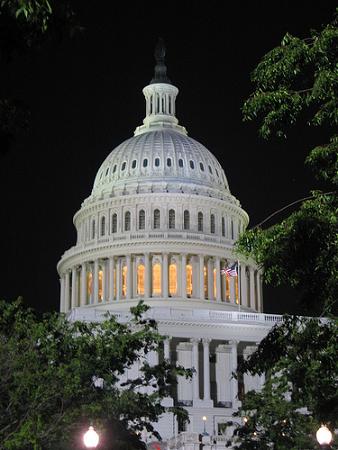 Photo by afagen
Word coming down from the Hill is that the District’s annual appropriations bill has made it through conference and will include provisions lifting long-standing prohibitions on spending city funds on medical marijuana, needle-exchange programs and abortion.
A summary from the Senate Appropriations Committee states: “Removing Special Restrictions on the District of Columbia: Eliminates a prohibition on the use of local tax funds for abortion, thereby putting the District in the same position as the 50 states. Also allows the District to implement a referendum on use of marijuana for medical purposes as has been done in other states, allows use of Federal funds for needle exchange programs except in locations considered inappropriate by District authorities, and discontinues a ban on the use of funds in the bill for domestic partnership registration and benefits.”
District residents voted in a 1998 citywide referendum to allow marijuana use for medicinal purposes, but Congress quickly forbade the city from implementing the results of the vote. Former Rep. Bob Barr (R-Ga.) spearheaded the congressional smackdown at the time, but switched sides in 2007 and began working as a lobbyist for the Marijuana Policy Project. Needle-exchange programs in the District were banned by Congress around the same time, but in 2007, Democrats took some first initial steps toward lifting the restriction. Over the summer, Rep. Jack Kingston (R-Ga.) tried to insert language into the District’s appropriations bill that would have forbidden needle-exchanges within 1,000 feet of pretty much everything in the city, effectively making the exchanges impossible. That effort now appears to have been stymied.
This is positive news for Home Rule advocates. Congress has long exercised its authority over District affairs, but these moves and a recent hearing on increasing the city’s legislative and budgetary autonomy seem to hint that fewer legislators — at least Democrats — want to get involved in the minutiae of local law-making. These developments come as some same-sex marriage opponents are hitting the Hill to demand congressional intervention to stop the legislation legalizing the practice from moving forward. (More on that in a later post.)