

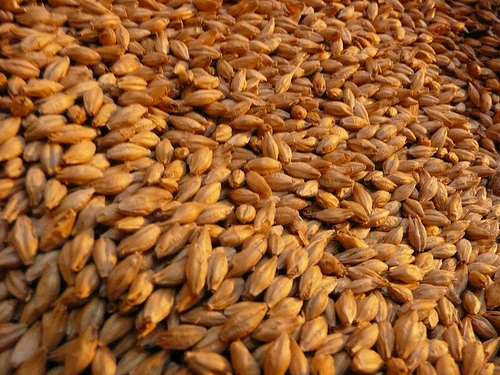
 Photo by epicbeer
In my salad days, I would ride my bike to the Friendly’s in Sixteen Acres and get a chocolate malt with the money I earned doing chores that my older brothers were too smart to pick. (Five bucks for three hours of lawn work seemed like a good deal at ten years old.) The taste has magical powers. It made me feel, for five minutes, like there was nothing wrong in the world. That “malt” aspect made the shake so much better and was the best part for me. I assumed the malts being referred to were chocolate-covered maltballs being chopped up. While times have certainly changed, the process of malting both my drinks of childhood and adulthood has stayed the same.
Previously, we discussed hops, but now we tackle the yin to the hop’s yang: malts. Malts balance the hops’ bitterness and add the fermentable sugars needed to produce alcohol. The sugars left over from the fermentation process are responsible for sweetness and provide those roasted, caramelized, coffee, or chocolate flavors found in some of your favorite beers.
The process of malting is not complicated. Cereal grains are soaked in water and allowed to germinate. Once the sprouting occurs, the grains are heated to stop the germinating process. The simpler sugars created give rise to flavor, and the more complex sugars give rise to color. The benefit of this malting is allowing the insoluble starches in the grain to turn to soluble ones that will easily break down in the beer making process. It also creates some of the enzymes that help break down the proteins in the grains that control the head retention, clarity, and body (or mouthfeel) of your beer.


