Martin Austermuhle
 Photo by bradtothebone.
This week, the District got two pieces of news that don’t work well together.
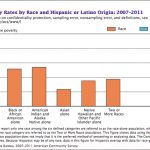
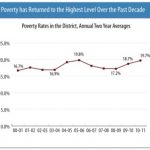
On the one hand, preliminary Census numbers show that the recession has been particularly hard on the District’s poorest residents. Between 2007 and 2009, the childhood poverty rate in D.C. rose from 22 to 29 percent, while the number of residents living in deep poverty (less than $11,000 a year for a family of four) jumped from eight percent in 2007 to 11 percent in 2009. And, not so shockingly, the pain of the recession has been distinctly centered on areas east of the river. Median household income increased in the District, but the most significant gains were seen in parts of Ward 2, the western half of Ward 6 and the southern tip of Ward 1. In Wards 7 and 8, it fell from $32,100 to $30,700. (The D.C. Fiscal Policy Institute has a handy rundown of the numbers.) And on a somewhat related note, the District was recently ranked as the smartest — and most functionally illiterate — city in the country.
Meanwhile this week, Natwar Gandhi, the District’s chief financial officer, announced that the city was already looking at a $175 million budget gap for fiscal 2011, forcing the D.C. Council to start trimming expenditures from a budget that only really took effect today. (The majority of the budget gap comes from the fact that the city is looking at losing $100 million in sales and income taxes.) The Examiner is reporting today that Council Chairman and presumptive mayor Vince Gray has proposed a freeze on city hires and promotions, as well as cuts that may well include education and human services. Council member Kwame Brown (D-At Large), who will likely take over from Gray as council chair, has also said that there will be “revenue enhancements” to close the gap.