Martin Austermuhle
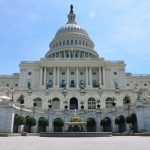
 Photo by Vileinist.
Abortion clearly remains a controversial social issue for Republicans, but same-sex marriage, needle-exchange programs and medical marijuana don’t seem to be attracting the same ire they once did.
That seems to be the takeaway from the spending plan for the District released today by the House Appropriations Committee, which again prohibits the city from spending its own money on abortions for low-income women, but steers clear of other issues that have been targeted by conservative Republicans in the past.
The spending plan, which cuts federal funding for the District by 10 percent for 2012, is a far cry from a proposal floated in January that would have dramatically slashed funding for the city and WMATA. It also seems to allay local fears that the new Republican majority would use its powers over the District to restrict local programs like medical marijuana and needle-exchanges (both of which came under Republican prohibitions in the past) and force a vote on same-sex marriage. The bill does prohibit the city from spending federal funds on its medical marijuana and needle-exchange programs, but leaves local dollars alone.
Of course, Republicans can still propose amendments that would force such social riders on the District at a hearing tomorrow on the spending plan or when it hits the floor of the House, but it’s encouraging that no one has yet stepped up to do so. Maybe Republicans realize that there are more pressing issues out there — debt ceiling, what? — or maybe the idea of cancer-stricken patients using marijuana to ease their pain just doesn’t seem so morally objectionable anymore. There’s even the possibility that new members that align themselves with the Tea Party understand that there’s a fundamental disconnect between waving a “Don’t Tread on Me” flag while systematically treading on the District’s local prerogatives.
Either way, the District isn’t totally in the clear yet. Abortion is once again a target, and until Congress fully extricates itself from the business of allocating the District’s money back to the city on a yearly basis, there will always be a risk that social riders will return in force. A proposal floated by Rep. Darrell Issa (R-CA) in early May to give Congress less control over local dollars hasn’t gone anywhere yet, but it would be a big step forward for D.C. budgetary and legislative autonomy.