Martin Austermuhle
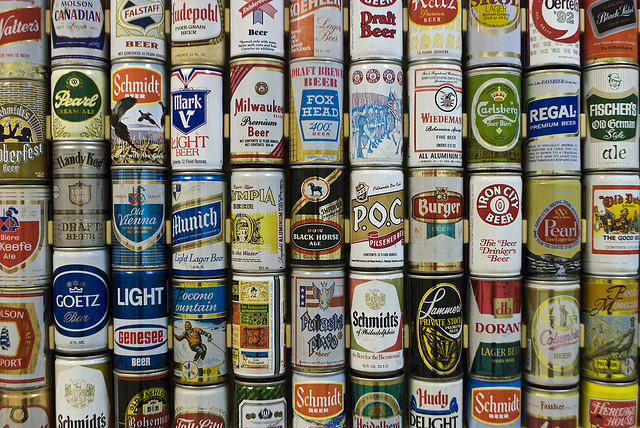 Photo by Amber Wilkie.
This year has seen something of a beer revival in the District, with two brewers already having started up operations and a few others on the horizon. Additionally, the District finally has an official cocktail — the Rickey — and more and more bartenders are gaining national acclaim for their creative spin on cocktails.
For as promising as the District’s drinking scene is, it’s worth remembering that it was on this day in 1917 that prohibition took effect in our fair city. Yes, prohibition went national around two years later, but this being the bastard stepchild of congressional whimsy, legislators simply decreed that the District would lead the temperance movement — whether its residents wanted to or not.
Had prohibition never hit, the District may not have needed the booze revival it’s seeing today. In his page-turning read, Prohibition in Washington, D.C.: How Dry We Weren’t, Garrett Peck writes that, prior to prohibition, four local breweries served District residents. (The spot where the Kennedy Center is now located was one, the Safeway on 14th Street SE near Potomac Avenue was another.) More than that, the stretch of E Street NW across from where Freedom Plaza stands today was known as Rum Row, a “series of saloons where journalists, lobbyists and politicians rubbed shoulders.”
But like much of the rest of the country, Peck writes, District residents were incredibly good at finding a way around the ban on booze. According to his research, there were at least 4,000 bootleggers serving D.C. drinkers and 3,000 speakeasies everywhere from U Street to K Street and beyond. (The Tune Inn, which will reopen on November 4, was a candy store that masked a speakeasy, for example.) Moreover, embassies regularly took advantage of their diplomatic immunity to slip drinks to thirsty guests at events, and even members of Congress were covertly supplied liquor during a period of prohibition that they had imposed. In fact, one of Congress’ biggest suppliers was an enterprising Washington Post reporter, who in 1930 authored a series of front-page articles on how dry members of the nation’s legislature weren’t. (For you Hill staffers, the Cannon House Office Building was where the booze made its way into Congress.)
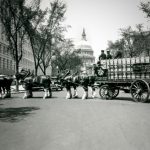
Prohibition eventually came to an end in the District on March 1, 1934, but the 16 years that the city pretended to be dry were enough to drive the city’s breweries out of business. The last to remain, the Christian Heurich Brewing Company in Foggy Bottom, shuttered its doors in 1956; all that’s left as a reminder is the Heurich House Museum in Dupont Circle.
If reading Peck’s book isn’t enough for you, he’s leading a “Tour of Prohibition Washington” on Sunday, November 6 as part of the D.C. Historical Studies Conference. It largely mimics the “Temperance Tour” he’s been leading since 2007; a map is here.
Correction: The Temperance Tour has been changed to Saturday, November 5 at 3:15 p.m. Meet at the Cogswell Temperance Fountain (7th & Pennsylvania Avenue, NW). Free.