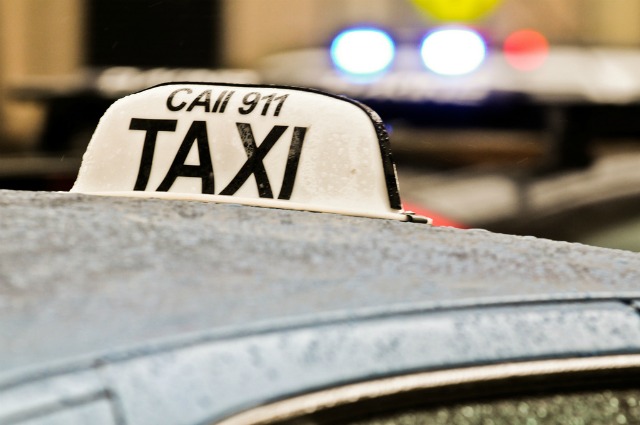
 Photo by Chris Reif
Ward 3 Councilwoman Mary Cheh introduced this morning a bill overhauling the city’s taxicab regulations that has sparked outrage among the city’s cab drivers.
At a press conference yesterday, Mayor Vince Gray defended the legislation that—if passed—would significantly alter the way taxis in the District do business. Gray, joined by Cheh and Ward 6 Councilman Tommy Wells, began his remarks by saying that the sweeping bill was an “unprecedented” instance of the mayor and the council introducing legislation together.
But Gray’s attempt to break the ice did little to impress the audience, much of which was made up by cab drivers upset with the bill. The most visible proposed changes would be painting the city’s entire 8,500-vehicle taxi fleet a uniform white and installing credit-card readers and GPS devices, and new requirements on the age and make of vehicles in the fleet. The cabbies were also upset with other proposals offered by the D.C. Taxicab Commission including rate changes and the removal of surcharges for ferrying additional passengers.
The bill would also levy a new surcharge of 50 cents per flag drop that would pay for a fund to subsidize the purchase of new vehicles. The city officials at the press conference estimated the fund would be somewhere between $8 and $12 million.
Gray called the bill a “top-to-bottom overhaul,” while Cheh said it “will benefit both drivers and passengers.” But while lower rates and universal ability to pay by credit card are appealing to passengers, the drivers who showed up to the Wilson Building felt otherwise.
“Drivers have not been to the table,” said Larry Frankel, who has been driving cabs for 17 years and runs the Small Business Alliance of D.C. Taxicab Drivers, a trade group that represents 4,000 cabbies.
If the bill goes through, people who get in a cab could be met with a device similar to those mounted in cabs in New York, which include credit card readers but also feature television screens that play running advertisements. Frankel said the companies that manufacture those devices already are working with drivers directly to implement technological upgrades to cabs.
“We’re not against the technology,” Frankel said. What they are against, he said, is the city-mandated implementation and the further requirements about vehicle upgrade and the purchasing of hybrid cars, calling it “an attempt to end independent cab drivers.”
There’s also plenty of frustration with the Taxicab Commission’s proposed rate scheme. Currently, various surcharges make it more appealing to drivers to pick up groups rather than individual riders. Dropping those fees would encourage more individual rides, perhaps appealing to solo customers, but to the detriment of cabbies’ incomes, Frankel said.
Under the suggested fare system, it would still cost $3.00 to get in a cab, but distance traveled would be metered at eighths of miles rather than the current rate of sixths of miles. The standing charge would also be raised from 25 cents a minute to 42. The city estimates the cost of a 2-mile ride would jump from $7.02 to $7.89, for example. Still, Frankel insists that the changes in surcharges cost of adhering to new regulations would mean less revenue, not more.
The bill’s proposed requirement to either switch to a hybrid-electric vehicle or buy a new car every five years is another big drawback for the drivers. Carolyn A. Robinson, an affiliate of the Yellow Cab taxi company, owns the Lincoln Towncar she’s been driving for the past nine years. Robinson said that after paying for her medallion, insurance, dispatch fees, and other overhead costs, her net income is between $12,000 and $15,000 a year; replacing her Towncar with even a used model would cost between $15,000 and $20,000. And a hybrid like a Toyota Camry is not an option.
“I have to drive a Towncar,” she said.