


Are you a local band? Did you release a full length album in 2011? Did we forget to review it? If you answered yes to the first two questions, the answer to the third is probably also an affirmative. We love local bands, but until today’s House of Soul review, apparently we only gave lip service to three local albums this year: Laughing Man’s debut The Lovings (63-69), Title Tracks’ energetic In Blank and Deleted Scenes’ streamlined but experimental Young People’s Church of the Air. Oops. Our bad. We’re sorry. We’ll do better in 2012.
We apologize for not also getting to all the sweet LPs and 7-inches that everyone released this year but we’re sure we haven’t heard the last from bands like The Cheniers, America Hearts, Tereu Tereu and Edie Sedgwick. Still, since “we’ll do better” doesn’t sound much like a retroactive “we’ll review your album,” relax. We’ll do that, too. Here are some brief thoughts on the local LPs that we’d meant to analyze earlier.
The Caribbean – Discontinued Perfume (Hometapes): The Caribbean’s first album in four years is a testament to a patient process. There’s some sort of celestial backing sound that makes the whole album sound like it may have descended from the mothership and the obscure poetic lyrics add to that slightly removed feeling. The Caribbean also don’t subscribe to things like choruses and verses but lets the songs gently meander.
Pree – Folly (Paper Garden Records): The first full length Pree release has the charmingly eclectic freak folk sound that one should expect from a band named after a Neutral Milk Hotel song. They have mystery instruments tucked in every nuance possible, starting from a pot-drop clang at the beginning and including, among other things, a saw. When May Tabol and company let their inventiveness shine, the album has a pleasant feel and so songs like “Lemon Tree” and “Nocchio” demand repeat listens.
Wale – Ambition (Interscope): Considering the strong flavor of haterade that this album has received, it’d be easy to think that it’s either some sort of misunderstood genius or the most godawful thing to have crossed the airwaves since Lulu. It’s neither. It has a few jams and a lot of slow and forgettable material that is inexplicably all placed next to each other. Yet, it’s hard to imagine that anyone can form such a dynamic opinion about an album that’s neither egregious nor, for all of its bragadaccio, terribly obnoxious. It’s just there.
Wild Flag – Wild Flag (Merge): Okay, so this is sort of cheating since most of the band hails from elsewhere, but Mary Timony is a local musician and, let’s be honest, a severely underrated one. While I don’t think I can say anything about the empowering skill and riffage of the women creating this album that hasn’t already been said, I will say that Timony’s genius songcraft on tunes like the psychedelic “Glass Tambourine” and the Television-influenced “Something Came Over Me” may have finally been embraced by a public outside of musicians and music journalists. It’s about time.
The Sweater Set – Goldmine: The best straightforward folk album to come out of D.C. in 2011. The choral vocal arrangements of Maureen Andary and Sara Curtin are unabashedly pristine and it almost smacks you in the face with overwhelming preciousness on the first listen. But there’s also sadness expressed wonderfully amidst masterful instrumentation.
Carol Bui – Red Ship (Exoh): Considering that the cover art of her last album was a drawing of a naked woman, Red Ship is actually an album wherein we Bui open up more. She sings in Arabic, utilizes hand percussion and for all of her skill as a guitarist, utilizes a very strong bass presence. Also she isn’t afraid to yell on songs like “Mira, You’re Free With Me.” An eclectic and underrated gem.
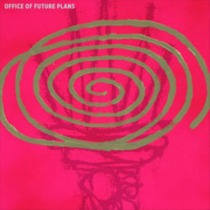
Office of Future Plans – Office of Future Plans (Dischord): There’s a theory that musicians that double as producers should not produce their own work. Don’t tell that to J. Robbins. His distinct guitar tone stands out, but the full package is the sort of rock and roll that, while certainly thoughtful (check the lyrics on “Fema Coffins”) is also conducing to jumping around and pumping one’s fist. Also, part of that full package includes cello that, while capable of adding a somber texture (as on “Abandon”) can rock out just as thoroughly as the guitar.
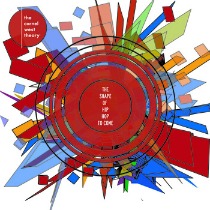
The Cornel West Theory – The Shape of Hip Hop to Come: What is Type 1? It’s a song that starts with a sermon and ends with a funky soulful chorus. It’s an artist that rhymes over a guitar riff that sounds like it was composed by Tom Morello, or a fiery spoken word piece over an electronic beat. It is, to quote the band themselves, “Something New. Something Now.” It’s a concept that The Cornel West Theory tries to explain in the most sonically and thematically complex hip-hop album of the year.
Pilesar – Radio Friendly (Pilesar): Jason Mullinax is a very playful musician and that comes across on this patchwork collection of tunes from bizarro-land. He distorts the vocals on almost every song, incorporates sounds from a myriad of toys and admittedly wrote at least one song when he was in the third grade. Then for a change of pace he sings a country song that his grandfather wrote. Mullinax is a masterful musician and can jump easily across genres and personas. That said, the persona he retains for much of Radio Friendly is some sort of Court Jester who delights in messing with our heads (and ears).
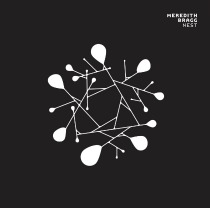
Meredith Bragg – Nest (The Kora Records): Meredith Bragg’s live shows (especially those without his occasional band, The Terminals) tend to be hushed affairs, where one can hear a pin drop even while Bragg is singing. Nest, however, is orchestrated with strings and grandiose (for him) production. It’s a change for the soft spoken acoustic guitarist, but he never seems uncomfortable dressing up his stories in that lush veneer.
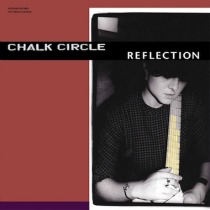
Chalk Circle – Reflection (Mississippi Records): Authors like Michael Azzerad and (former local musician) Sara Marcus have asked for Chalk Circle’s Sharon Cheslow’s input on their rock retrospectives. Now, thanks to the re-release of Reflection, it’s more apparent to the rest of us as to why. The album from D.C.’s first all-female punk act starts with a strong drum beat topped with Cheslow’s flat but defiant delivery. The entire album effortlessly showcases that sort of lo-fi post-punk defiance that sounds like its exerting the minimum amount of energy but achieving maximum kick-in-the-teeth effect. It’s no wonder that No Age’s Dean Spunt wanted to re-release this album: it’s the unsung influence on many of today’s lo-fi minimalist punks.
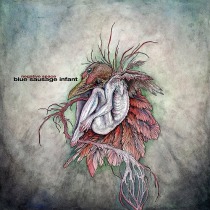
Blue Sausage Infant – Negative Space (Zeromoon): Chester Hawkins is masterful at taking electronic sounds and making them sound organic. Hawkins is, by his own admission, a huge Hawkwind fan and many reviewers point to German guitar-based bands from the 1970s as a point of reference when describing songs like the title track of this album. Yet, Negative Space doesn’t spend the entirety of its time pounding through krautrock territory. It also creates an atmospheric drone that floats, rather than leaves the listener with a sense of vague unease as Flight of the Solstice Queen did. Listen to this album in the dark with some lit candles and let it take you places.


