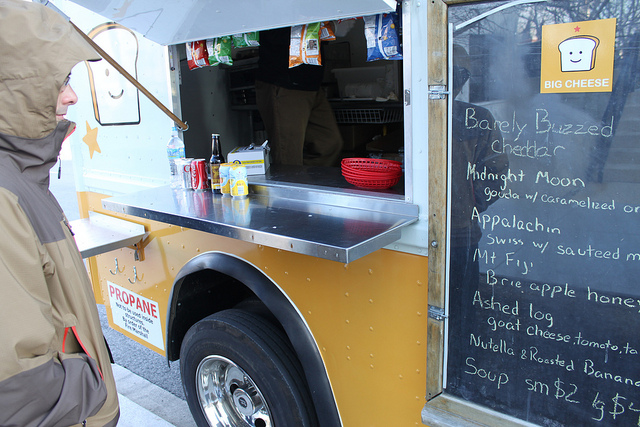
 Photo by BrianMKA
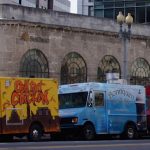
A coalition of the District’s food trucks are getting behind the District government’s proposed regulations for their ever-growing industry. In a statement today, the District of Columbia Food Truck Association—yes, such a group exists—said it supports nearly all of the suggested rules for mobile food vendors, which are currently open to a public comment period.
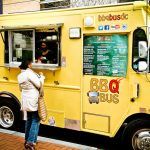
“Overall, the proposed regulations are a significant improvement to the current rules,” Che Ruddell-Tabisola, the trade group’s executive director, said in a news release. Among the propsed changes would be to allow most food trucks to remain in their location as long as they’ve paid for the parking. But Ruddell Tabisola, who operates the food truck BBQ Bus with his husband, Tadd, also said the association doesn’t support everything in the District’s proposal.
Perhaps the most significant change, if the new food truck rules go into effect as written, would be the creation of “Vending Development Zones,” spots in which the nearby residents and businesses would help determine the number of mobile and sidewalk vendors to allow. That’s one of the things the Food Truck Association objects to, but Helder Gil, the legislative affairs specialist for the D.C. Department of Consumer and Regulatory Affairs, said the creation of the zones would be a boon to “all types of vending,” including the food trucks.
“The idea is to work with a community to identify what its needs and goals are for street vending and come up with something that works for everyone. It’s not meant to be exclusionary,” he said in an interview. “It’s microplanning with input from the community that’s most affected.”
The zones, we reported last month, are also intended to calm the sometimes combative relationship between brick-and-mortar restaurants with their four-wheeled counterparts by giving the restaurants some say in where the trucks can go.
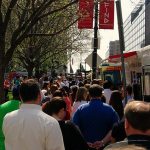
Downtown business-improvement districts, which pay for trash removal in neighborhoods like Farragut Square, often complain about the amount of refuse left behind by the hordes of lunchers who get their midday comestibles from the trucks that circle the park on weekdays. Especially on Fridays, Gil said, when there are more than a dozen trucks around Farragut, “they’re overwhelming trash-removal services.”
One of the main goals of the new regulations is to cut down on this “food truck clutter,” by encouraging the mobile, social-media-friendly restaurants to branch out to less-visited parts of the city.
“Our encouragement to food trucks is to go out to other neighborhoods and scope out new potential locations,” Gil said. “Not just keep going to the same place over again. Huge benefit of being mobile.”
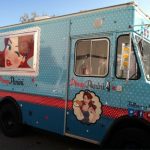
Ruddell-Tabisola’s statement also expressed reluctance toward the proposed rule that dessert trucks be required to pick up and move elsewhere if they are parked for more than 10 minutes with no line. Gil told the Post’s Tim Carman last month that comes from the culinary fact that it takes less time to prepare, say, an ice cream cone or an already baked-and-frosted cupcake than it does a hot, savory dish. The food truck group, however, believes, “sweets food trucks should be allowed to be open as long as savory food trucks.”
But the full package of proposed regulations is really more about expanding all types of on-the-go vending, Gil said. Talking about a recent vacation to central Europe, he contrasted the street food options he encountered in Prague and Austria with those found in D.C.’s sidewalk carts. He’d like to see, perhaps, more kebabs and shwarma than water-logged hot dogs and half-smokes.
The DCRA comment period, which is open through February 18, has been somewhat languorous so far. Gil said he’s received only three pieces of feedback. In the mean time, the food truck group is also passing along a petition urging passage of the regulations it does support.