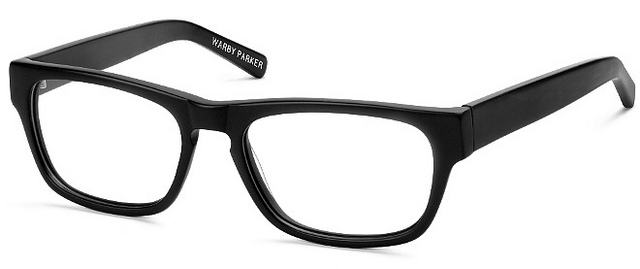
 Roosevelt frames in black by Warby Parker. Very hip for $95.
When five men charged with murder in the 2010 shooting deaths of five D.C. residents arrived in court earlier this month, each defendant was sporting a fashion accessory most of them hadn’t previously been known for wearing before their trial.
The defendants were all wearing large-frame, non-prescription black plastic eyeglasses—the variety that wouldn’t be out of place at a Brooklyn warehouse show or a Brightest Young Things party at the Newseum. The Washington Post reports that the five young men on trial for first-degree murder could be trying to make themselves more sympathetic to jurors by wearing something that one prosecutor likened to “putting on a schoolboy act”:
Non-prescription “hipster” or “personality” glasses are on one hand simply a fashion fad. But they’ve also become something of a sensation in the District’s courthouse scene: Attorneys say inmates trade them before hearings, while friends and family sometimes deliver them during jailhouse visits. Some lawyers even supply them themselves.
They often escape notice—as was the case with another murder defendant who wore glasses with thick, black frames during a summer murder trial. Convicted of first-degree murder in August, his glasses never came up in court.
But the eyewear sported during the trial of Carter and his friends, which began its fifth week in D.C. Superior Court on Tuesday, has attracted attention. Court observers say prosecutors seized an opportunity to suggest to jurors that the defendants were dishonest in misrepresenting their appearance.
Before the trial, only one defendant, Lamar Williams, was known as a glasses-wearer. An attorney for one of Williams’ co-defendants, Jeffrey Best, told the Post the hipster peepers are just “part of the professional look.”
One defense attorney not associated with the case the Post interviewed even went so far as to say that black, thick-rimmed frames can help a defendant “come out looking like Clark Kent.”
However, some observers also see a racial effect in major-case defendants sporting eyeglasses:
In a 2008 study published in the American Journal of Forensic Psychology, researchers who asked students to judge a fictitious case found that African American defendants wearing glasses were considered more intelligent, more honest and less threatening than those without; white defendants with glasses were not.
All five men on trial for the 2010 killings are black.
Not that the guise is won on the victims’ families. “Those glasses are influencing the jury, trying to make them think they’re Boy Scouts or something,” Patricia Jefferies, grandmother of one of the victims, told the Post.