Martin Austermuhle
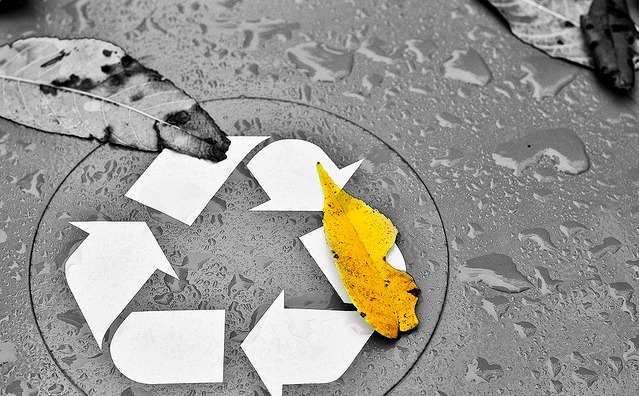 Photo by brents pix
Mayor Vince Gray has been accused of plenty of things, but having a broader vision for his tenure isn’t one of them. In fact, it has been one of his biggest shortcomings, say many—he hasn’t yet defined his mayoralty around a concrete idea the way Anthony Williams did around improving service delivery and Adrian Fenty did around school reform.
That may have changed with today’s roll-out of an ambitious 20-year sustainability plan that Gray says will bring D.C. to the cutting edge of environmental stewardship and protection. “A Vision for a Sustainable D.C.” includes 11 areas where he wants to see significant progress by 2032, everything from a five-fold increase in green jobs and a 50 percent cut in citywide obesity to residents making 75 percent trips by means other than cars and being able to swim in the Potomac and Anacostia rivers.
The report comes from seven months of consultations with working group and includes a range of short-, mid- and long-term proposals for each of the focus areas. On health, for example, the 20-year goal of cutting obesity by 22 percent would start with a halving of the 21 percent of residents that don’t do physical activity on a monthly basis; on energy, the 20-year goal of reducing energy consumption by 50 percent would start with energy audits for every building in the city.
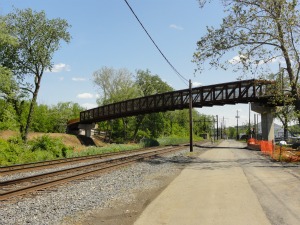 The Anacostia Riverwalk Trail Bridge opened today. It spans train tracks south of RFK Stadium and will eventually serve to connect a trail that will run from College Park to Nats Park.
Gray used today’s ribbon-cutting of the new Anacostia Riverwalk Trail Bridge as a means to exemplify how his plan would build from small actions to ambitious goals. The new pedestrian/bicycle bridge, one of two connecting disparate sections of the Anacostia Riverwalk Trail, would help achieve the 20-year goal of ensuring that 75 percent of all trips taken by residents are by walking, cycling or mass transit. (The plan contemplates 80 miles of bike lanes throughout the city.)
Much of what Gray is proposing may seem academic, but the end goals could have a very real impact on how the city looks and feel in 2032. Gray wants tree cover to increase, more food to be grown locally, more recycling to be encouraged, and for residents to be able to swim and fish in the Potomac, Anacostia and Rock Creek. The plan even says that Gray wants to attract 250,000 new residents; if that came to pass, it would put D.C. above its historic high of 802,000 residents in 1950.
As the Post reports today, parts of the plan are already underway: green roofs are already being built as part of new developments, allowing for better rain management and urban agriculture. Additionally, Gray indicated that he would be introducing a package of legislation to kick-start some of the initiatives, including a measure that would allow older homes to be retrofitted to be more energy efficient and one that would promote urban beekeping.
Of course, all of this will cost money—lots of it. Still, many visionary ideas have, something Gray seemed to admit today. The payoff, he stressed, is worth the cost, and spending the money today will pay dividends in the future.