 Photo by Paul Frederiksen.
D.C. United’s continuing efforts to find a suitable home and remain in D.C. seem to be making more progress than usual these days, according to a 35-page study obtained by the Post’s Capital Business blog.
The document outlines plans for a new 24,000-seat mixed-use stadium at Buzzard Point that would host all of United’s home games as well as a mix of college and international soccer matches and concerts and community events. If that capacity holds, it would be the third-largest soccer-specific facility in the United States, topped only by New York’s Red Bull Arena and the Home Depot Center in Los Angeles.
The $157 million facility would be central to a larger, $82 million development which would include a mix of retail, office and residential space. It would also provide needed jobs and revenue for the city:
Construction of the project, the report claims, would create 290 jobs for District residents, $19.5 million in wages and about $38 million in local spending. Once completed, the stadium would support 600 to 810 part- or full-time jobs permanently.
The study was was put together by Minneapolis based Convention, Sports & Leisure International, who also handled studies during the construction of the Verizon Center and Camden Yards.
Robert T. Sweeney, CEO of the Greater Washington Sports Alliance, says that United’s current and possibly last effort to get a stadium in the district is “further along than it ever has been in the past.” He continued: “Things are happening in the right places at the right levels behind the scenes.”
DCU owner Will Chang, the teams lone remaining investor, has been in talks with others in regards to purchasing part ownership of the club. Erick Thohir, an Indonesian businessman who owns a share of the NBA’s Philadelphia 76ers, visited RFK last week and appears to be close to buying into the franchise. His involvement could give the club further economic stability and make United a more financially viable investment for the District.
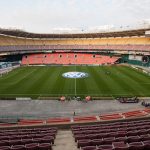
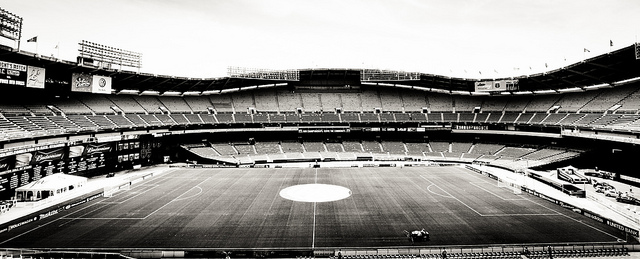
A new facility would be a boon to United’s attendance, which has fallen in recent years. Games this year have been poorly attended at times—despite the team being in first place. And while the weather has played a part in that, you have to also assume that many people just don’t want to see a game in a crumbling, oversized stadium.
The price tag is a good deal steeper than MLS’ newest facility, Houston’s BBVA Compass Stadium, but cheaper than facilities in Kansas City and New York. Despite the $1 billion D.C. will spend on Nationals Park when it’s paid off and the continuing hints that it would like to see the Washington Redskins return to town, D.C. is unlikely to kick in any money for the project. At best it would help pay for the land. As part of Maryland’s 2013 budget, Gov. Martin O’Malley set aside money to study the possibility of building a stadium for United in Baltimore.
Still, United fans shouldn’t be lining up for season tickets just yet. We’ve all been through this before, and many of us know how this (hopefully not) will end.