Martin Austermuhle
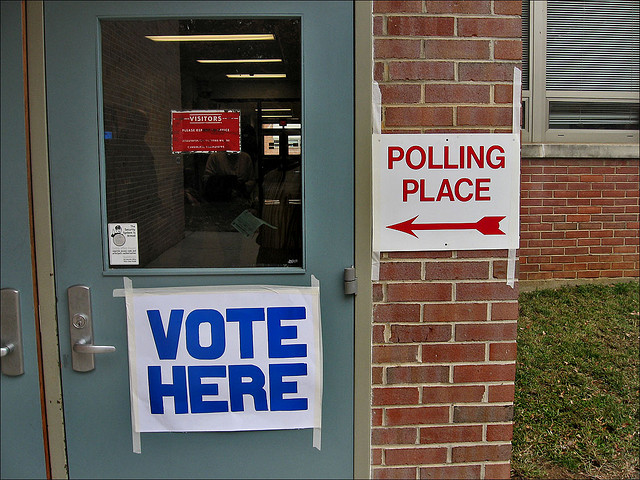 Photo by Burnt Pixel
D.C. officials fighting for the right to spend the city’s money without the usual congressional strings attached have come upon a new plan to get it: just let residents vote on it.
D.C. Council Chair Phil Mendelson will introduce legislation tomorrow that would authorize a citywide referendum on adding a budget autonomy provision to the Home Rule Charter. If endorsed by the council, the referendum would coincide with a special election expected for the first four months of 2013. After the vote, Congress would have 35 days to reject the results or let the charter amendment take effect.
 The idea stemmed from discussions between the D.C. Appleseed Center and D.C. Vote earlier this year, both of which had been looking for new ways to push D.C. budget autonomy through Congress. It turns the usual advocacy for D.C. voting rights and self-determination on its head: instead of asking Congress to pass a bill offering the city expanded budget autonomy, the bill would let the city’s residents use the power of the ballot box to demand it.
The Home Rule Charter allows initiatives and referenda on any manner of issues spare in 10 key areas; while D.C. legislators can’t authorize a referendum on imposing a commuter tax or lifting height restrictions on D.C. buildings, for example, they can allow one on amending the charter to include a provision giving the city more flexibility in spending its own money. Once an amendment is approved by voters, both houses of Congress have to disapprove it within 35 days, and the disapproval resolution has to be signed by the president. According to advocates of the idea, this would be an impossibly high bar for the usual opponents of D.C. voting rights—especially in an era of divided government.
The plan wouldn’t only allow the city to ensure a clean budget autonomy bill—past congressional attempts have been weighed down by riders on everything from abortion rights to gun laws—but also present it as having been widely endorsed by the city’s voters.
After years of failing to gain much ground in other areas, D.C. voting rights advocates and elected officials have settled on demanding that the city be allowed to spend the money it raises without congressional interference. Currently, the D.C. budget needs to be sent to Congress for approval, allowing legislators to impose spending restrictions and provoking complaints from the D.C. CFO that it makes effective financial planning needlessly hard.
“The more time that elapses between the formulation of a budget and its execution, the more likely the operating assumptions underlying that budget will not hold true,” said D.C. CFO Natwar Gandhi during a congressional hearing on the issue in May 2011. He also complained that D.C. runs the risk of shutting down every time there’s a partisan showdown on federal spending, and asked that D.C. be able to set its own fiscal year. Currently, D.C.’s fiscal year starts in October, while many jurisdictions tend to start theirs in July.
“Locally-elected leaders control local tax revenues in every other jurisdiction in America,” said D.C. Vote Executive Director Ilir Zherka. “District residents have been denied this fundamental right for far too long, and the Charter Amendment is a step towards correcting this inequality.”
Mendelson’s office said he had no comment, but would speak on the issue at tomorrow’s legislative session. D.C. Del. Eleanor Holmes Norton was similarly tight-lipped, with her office only saying that she hadn’t yet seen the text of the legislation.
UPDATE, 5:15 p.m.: According to the Post, D.C. Attorney General Irv Nathan doesn’t think the referendum is lawful. D.C. Appleseed’s Walter Smith differs, saying that the council has broad powers to amend the charter.