Martin Austermuhle
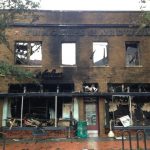
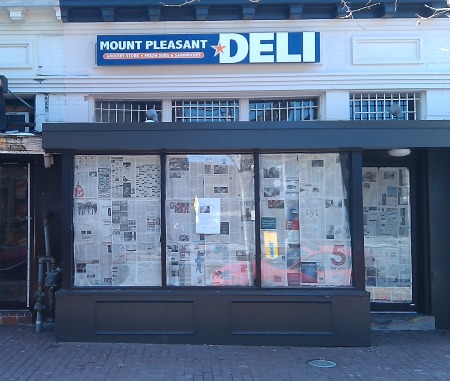 This store in Mt. Pleasant was used for a “temporium” in mid-2011. Photo by Pat Padua.
D.C. can be a daunting place to start a business, what with the regulatory hurdles and high costs. But two bills introduced this week seek to change that.
On Tuesday Councilmember Tommy Wells (D-Ward 6) introduced legislation that would help small-time entrepreneurs who are testing out new ideas by offering them temporary business licenses, allows for fast-track permits for the temporary use of space and pushes D.C. to find ways better encourage the use of vacant and blighted spaces throughout the city.
The idea, according to Wells, is to make D.C. more flexible and welcoming of pop-up retailers, temporary galleries and entertainment venues.
“While the District government is doing some things right, entrepreneurship and urban creativity is occurring despite significant barriers and substantial inaction from the District government,” said Wells in a press release. “Many would-be entrepreneurs have trouble trying out their business ideas because they can’t find the right space at the right price, or because it’s just not worth navigating the complex licensing and permitting requirements try something out for a few months.”
Wells’ bill would be an extension of the D.C. Office of Planning’s Temporary Urbanism Initiative, which gave out grants to groups that wanted to use vacant retail spaces for short periods of time. The office helped establish “temporiums” on H Street NE and in Mt. Pleasant.
In a separate bill, Councilmember Kenyan McDuffie (D-Ward 5) seeks to create a task force to identify how to better use something that his ward has in excess: industrial land. According to McDuffie’s office, the task force would explore new uses for the industrial land—two-thirds of D.C.’s industrially zoned land is in Ward 5—including “recreation, vocational training, sustainable urban agriculture, art studios, business incubation, and temporary urbanism initiatives.”
“Imagine if Ward 5’s industrial land housed a film studio or an industrial food preparation training center, instead of serving as a parking lot for dozens of dump trucks. We should repurpose warehouses and brownfields—putting residents to work and infusing our neighborhoods with industrial and commercial neighbors that they can embrace and be proud of,” said McDuffie.
Ward 5 residents have often complained that their neighborhoods have become a dumping ground for all the things that the rest of the city doesn’t want—including medical marijuana cultivation centers—but in recent years two of the city’s breweries and its first distillery took advantage of the industrial opportunities.