Martin Austermuhle
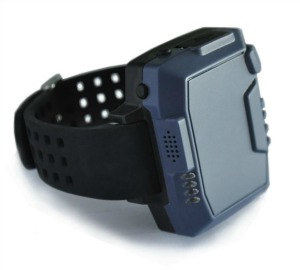 Using GPS trackers to keep tabs on someone who has been charged with a crime and is awaiting trial (or is on probation) is relatively normal, but it apparently hinges on one key factor: hoping that the person being tracked regularly recharges the battery on the GPS unit.
The Washington Times reports today that a man suspected in an October 10 shooting in front of Gallaudet University purposely didn’t recharge the battery on his ankle-mounted GPS tracker:
Court documents filed by police against Kevon M. Austin say he “intentionally did not charge his GPS in an effort to mask his location” before he shot 21-year-old Gregory Darnell Troxler five times about a block from the entrance to the university in Northeast Washington on Oct. 10.
The killing occurred a day after Mr. Austin received the tracking bracelet.
Mr. Austin, who has been in and out of the court system since he was 14, was arrested Saturday and charged in D.C. Superior Court with second-degree murder.
According to charging documents posted by Homicide Watch, the GPS tracker stopped emitting a signal less than an hour before the shooting, when Austin was said to be a mile-and-a-half from the site of the crime. The GPS started emitting a signal again a few hours later. According to an agreement that all people who are tracked have to sign, the GPS tracker has to be charged twice a day for 45-60 minutes at a time.
At the time of the shooting, Austin was on probation and being watched over by the D.C. Department of Youth Rehabilitation Services and Department of Human Services. But even worse, this wasn’t the first time that Austin tampered with a tracking device—last year he was accused of covering a GPS tracker with aluminum foil to prevent it from sending a signal to a satellite.