Martin Austermuhle
 The 15-year-old hacker who in April brought down D.C. government websites (among many others) and then publicly posted personal information about Mayor Vince Gray has been sentenced to probation until his 21st birthday, reported Wired late last week. But more than that, the hacker—who went by the name “Cosmo”—won’t be able to access the Internet during that time:
Representatives from both the Long Beach district attorney and public defenders offices refused to comment on the case, given Cosmo’s status as a juvenile. However, according to Cosmo, the terms of the plea place him on probation until his 21st birthday. During that time, he cannot use the internet without prior consent from his parole officer. Nor will he be allowed to use the Internet in an unsupervised manner, or for any purposes other than education-related ones. He is required to hand over all of his account logins and passwords. He must disclose in writing any devices that he has access to that have the capability to connect to a network. He is prohibited from having contact with any members or associates of UG Nazi or Anonymous, along with a specified list of other individuals. He had to forfeit all the computers and other items seized in the raid on his home. Also, according to Cosmo, violating any of these terms will result in a three-year prison term.
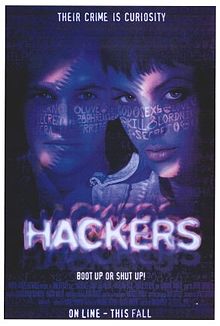
Does any of this sound mildly familiar? It should—in 1995’s Hackers, Dade “Zero Cool” Murphy (played by Jonny Lee Miller) is similarly told to stay away from the Internet, albeit until his 18th birthday. Once he turns 18, though, he joins a collective of hackers—including Angelina Jolie—to fight an evil corporate henchman who tries to steal millions of dollars from an oil company he works for by threatening to capsize all of its oil tankers. Predictably, the hackers win.
Cosmo isn’t as innocent as Zero Cool was, though. While he and his UGNazi hacker collective first targeted institutions and websites that supported what they saw as increased controls on Internet use, he eventually evolved to stealing credit card numbers and dumping them by the thousands online for anyone to see. He also wasn’t the sharpest hacker out there—when asked why he included D.C. government websites in his denial of service attacks, he cited federal policies that D.C. officials would have control over anyhow.