Martin Austermuhle
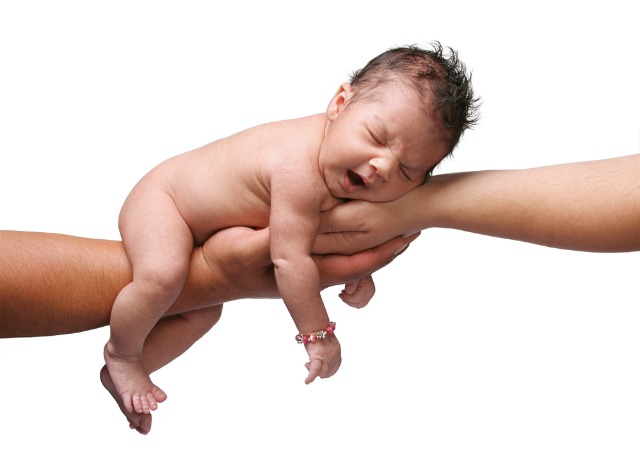 Photo by Shutterstock
Over the last three weeks, D.C. school officials have traveled the city trying to sell their proposal to close 20 public schools over the next two years. Their argument is simple: the city has too many schools for the number of students it has, and the school-aged population citywide has been falling for the better part of a decade. On the flip side, they say, over the next few years the number of kids being born and reaching school-age in D.C. will jump significantly—up to 55 percent.
So where is all this baby-making happening? According to Census data provided to DCPS by the D.C. Office of Planning, residents of wards 1 and 2 will be busy getting it on over the next few years: the number of school-aged children in Ward 1 will jump by 62 percent between 2015 and 2020, while in Ward 2 it will increase by 69 percent. Ward 6 comes in third at 48 percent, followed by Ward 5 at 32 percent, Ward 4 at 29 percent, Ward 8 at 22 percent, and Ward 3 at 20 percent. Only Ward 7 will lose school-aged children, with a decrease of 21 percent between 2010 and 2015 and a 19 percent increase between 2015 and 2020.
The jumps in wards 1 and 2 are seen most dramatically at the school cluster level. In Columbia Heights, for example, there were 2,491 kids aged 0-4 in 2010, a number that will grow to 3,491 in 2015 and then 5,116 in 2020. In Georgetown, that same age group stood at 731 in 2010, and will drop to 656 in 2015 before rebounding to 1,725 in 2020. In Capitol Hill, the number of those kids will rise to 2,265 in 2020 from 1,465 in 2015.
Earlier this year the Post reported that the majority of the new babies in D.C. are being born to Hispanic and white families:
The District continued its rebound, attracting 16,000 new residents from all age groups — in one year gaining almost as many people as the 20,000 it added the entire previous decade. Although the number of African Americans rose by more than 2,000, their proportion dipped below 50 percent for the first time in decades. Whites had the biggest increase, at 8,000. But among babies, the number of Hispanic infants rose the most as a percentage, up 70 percent, to 1,700. The number of infants who are white also rose sharply, while there were fewer African American babies.
Additionally, the Census reported that while the country generally got older, D.C. was the sole place to get younger, with the median age dropping from 34.6 to 33.7 over a decade. And while many of those new young folks come and go, more are choosing to stay—and have families in the process.
The issue of all these new kids is factoring into the debate over school closings. While D.C. Schools Chancellor Kaya Henderson notes that enrollment has stabilized over the last two years, she estimates that it could grow substantially from 2015 to 2022. If DCPS doesn’t keep improving, she argues, those kids will end up in charter or private schools. This is also why she has said that even if she does manage to close schools, she wants to keep the buildings in the city’s inventory for that eventual spike in enrollment.
Opponents to her plan, though, are using the same demographic data against her. Chris Sondreal, who has a child at Francis-Stevens Elementary in the West End, argued that his currently under-enrolled should shouldn’t be closed for one simple reason: “Ward 2 is making babies.”
Indeed it is.