

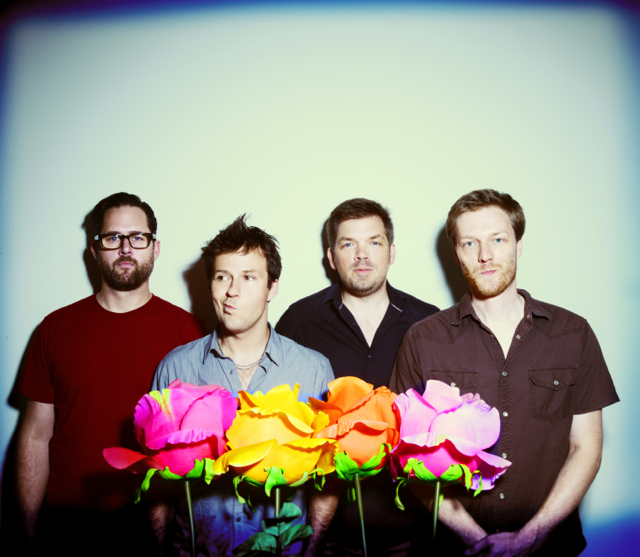
 The Dismemberment Plan (Shervin Lainez/Partisan Records)
In 2003, The Dismemberment Plan called it quits, citing exhaustion from non-stop touring and a nasty case of writer’s block while working on a follow-up to 2001’s Change. In the decade that they were a band, the post-hardcore/indie-rock quartet were, at best, cherished hometown heroes, with a few brushes of worldwide fame and success in the form of tours opening for bands like Death Cab For Cutie and Pearl Jam, as well as a brief stint on a major label, Interscope Records. But, in a label merger with Polygram Records, The D-Plan were notoriously dicked over and dropped from the label right before the release of their third and most widely acclaimed record, 1999’s Emergency & I.
While the D-Plan’s success outside of D.C. was storied but underwhelming, the post-breakup years saw a new generation of Internet-savvy music fans discovering them. When the group briefly reunited in 2007 to take part in a pair of benefit shows to raise money for Jawbox/Burning Airlines frontman J. Robbins’ sick son (Robbins also produced Emergency & I), the response was overwhelming, with tickets selling out in minutes. Although singer and guitarist Travis Morrison insisted that a reunion was a one-off thing, those shows ignited a new energy in the band, and four years later they reunited for a reunion tour to support the reissue of Emergency & I. Again, the band insisted that this was a one-off tour and no new material was on its way. The Dismemberment Plan lied to us all.
Much to the band’s insistence that it wouldn’t happen, last summer it debuted a handful of new tracks at two shows in Baltimore and Fredericksburg, Va. Now, here we are, with the first new Dismemberment Plan album in over a decade. While it’s nice to have The Plan back, the album, Uncanney Valley (intentionally spelled with an extra “e”), isn’t quite the welcomed return we were hoping for. Uncanney Valley finds them settling into their newfound maturity with mostly tepid results. While Uncanney Valley certainly sounds like the logical progression from the laid back, atmospheric Change, the album lacks a certain angsty fervor and spastic, unhinged melodies that define The D-Plan’s signature tunes.
After The D-Plan broke up, Morrison put out two much maligned solo efforts before briefly “retiring” from music, only to come back by singing in a church choir. The album’s opener, the upbeat “No One’s Saying Nothing,” kicks off spiritually enough, with sleigh bells and a hymnal organ part, but Morrison’s sermon is far from religious: “You hit the spacebar enough, and cocaine comes out / I really like this computer!” The bizarre, non-sequitur lyric is classic Morrison: Anxiety-filled metaphors capturing the confusion and angst of a time and place in your life.
In Uncanney Valley, the time is mostly adulthood and the place varies: From the transition of moving to New York from D.C. in the sweet, slow-building “Invisible;” to the many suburbs of Virginia in “White Collar, White Trash” (which employs the breakneck speed and spazziness of classic D-Plan songs), to the surreal anxiety of spending the holidays in Mexico City in “Mexico City Christmas.” The album breezes by in a cool 40 minutes, rarely disappointing (with the exception of the cringeworthy ode to fatherhood, “Daddy Was A Real Good Dancer”), but never really hitting the bar set by the band’s early albums. But all the elements are still there: Bassist Eric Axelson’s groovy bass lines that work up and and down the fretboard, guitarist Jason Caddell’s jittery hooks, drummer Joe Easley’s spastic, rapid-fire beats, and Morrison’s beguiling, but entertaining lyrics.
Problem is, none of these elements ever really click. The album feels as bright as a sunny summer day, and finds the band complacent in this subdued, laid back groove. That’s most apparent in the album closer, “Let’s Just Go To The Dogs Tonight,” a head-scratching, “who gives a fuck” anthem that concludes with Morrison employing a call and response chorus: “When I say ‘outta’, you say ‘luck’ / When I say ‘what the,’ you say ‘hell,’ / When I say ‘cluster,’ you say ‘fuck.'” To call Uncanney Valley a cluster fuck is far from the truth; it’s a noble effort, but doesn’t ever quite come together as it should. Nonetheless, it’s nice to have The Plan back.
Get More:
www.mtvu.com
