 Photo by andertho
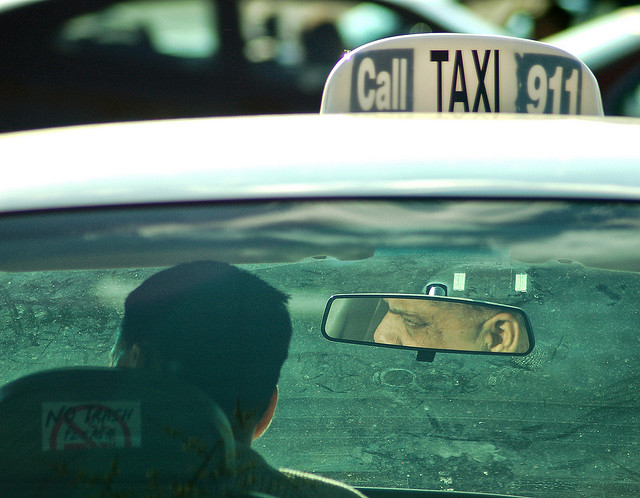
Two Councilmembers have introduced a bill that would deregulate fares for cabs when they’re arranged through mobile dispatch services, like Hailo and Taxi Magic.
The Transportation Network Services Innovation Act of 2014, introduced Friday by Councilmembers Mary Cheh (D-Ward 3) and David Grosso (I-At Large), would allow cabs dispatched through digital services to break free from the traditional fare structure and behave more like Uber or Lyft. From the bill:
If the digital dispatch service connects a customer to a taxicab, the fare may be calculated in accordance with the taxicab fare structure established by the Commission through an approved taxicab meter system or through a time and distance charge set by the digital dispatch service; provided, that before booking a trip, the digital dispatch service shall disclose the fare calculation method, the applicable rates being charged, and provide the option for an estimated fare to the customer.
“Currently, taxicabs in the District that are dispatched through mobile applications like Uber and Hailo do not enjoy flexibility as to how their fares are set,” Cheh said in a statement. “Under this legislation, the District would no longer require the regulation of fares for taxicabs dispatched through mobile applications. Deregulating this aspect of taxicab service in the District will benefit both consumers and drivers alike by providing increased competition and promoting consumer choice. Additionally, by providing a clear regulatory framework for ridesharing services in the District, we can ensure that these regulatory requirements are more in line with existing safety requirements for taxicabs service, which we created with the goal of guaranteeing passenger safety.”
As WAMU first reported, the D.C. Taxicab Commission is also considering a proposal to “charge passengers fares independent of the meter.”
Since popular, tech-driven transportation options infiltrated the Washington market (see: Uber), drivers of regulated, metered taxis have complained the newcomers get to play by a different set of rules: they operate under relatively few regulations and can charge flexible rates. Linton’s plan would offer D.C. taxis some of that flexibility by allowing drivers to charge passengers different fares — but only for rides booked online or ordered digitally via smartphone. Fares would be set by apps that passengers use to order cabs, and the proposal would not apply to street hails. Individual drivers would not determine fares themselves.
The proposal, which would also open the door to cab surge pricing, will be considered at a DCTC meeting this week. According to WAMU’s Martin Di Caro, Cheh’s office was unaware of the proposal.
@DCist Cheh’s office was unaware of the DCTC proposal on the same issue.
— Martin Di Caro (@MartinDiCaro) April 7, 2014
In addition to deregulation, Cheh’s and Grosso’s bill would require mobile dispatch and ridersharing services to “perform background checks on their drivers, maintain commercial insurance for drivers, and establish and maintain zero-tolerance policies for drugs and alcohol.”
“Here in the District we should embrace innovation in transportation services, while ensuring that the safety and affordability of such services are among our top priorities,” Grosso said in a statement. “This legislation levels the playing field. It strengthens and relaxes certain requirements for both digital dispatch and taxicab services to encourage innovation and competition in the marketplace, to promote safety and standardize existing regulations.”