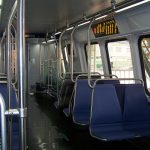
As part of Metro’s ongoing effort to become less terrible and more reliable—in which they’re investing $5.5 billion to fix all the outdated equipment—WMATA released their quartery vital signs report, which analyzes reliability data of Metrorail performance throughout the second quarter of 2014—from the beginning of April to the end of June. The verdict? While reliability is slowly improving, the 4000-series cars, per usual, are underperforming.
First, a brief history of the 4000-series: The 100 cars in the 4000 series, which were delivered and implemented into the system in 1991, have been a constant headache for Metro, breaking down constantly. In 2010, WMATA took all of the cars out of service to repair them to prevent doors from automatically opening while the train is moving, which, the idea of that happening, is terrifying. In April of last year, Metro announced that they’d be spending $215 million over the next five years to replace all of the 4000-series cars, years ahead of when they originally scheduled to do so. While that will eventually happen with the addition of 7000-series cars, the 4000-series ones still remain and, as the report shows, still suck.
According to the report, “Metrorail fleet reliability for Q2-2014 was 3 percent better than Q2-2013, performing above target in April and May.” While the largest reliability improvement came from 5000 and 6000-series cars—operating at 59 percent and 42 percent more miles between delays, respectively—the 4000-series experienced 42 percent worse reliability then the other series cars. The report also found that the most common cause of delay in the 5000 and 6000 series, brake and door malfunctions, were down this quarter, which help improve reliability.
Though reliability has improved this quarter, compared to data from last year, the on-time performance rate is “very slightly below” the second-quarter report from 2013. To no one’s surprise, the Metro line with the most amount of reliability issues was the Red Line, which the report says was “notably challenged this quarter with rush service levels being disrupted by multiple events.”
But with overall reliability on the upswing, despite the poor performance of the 4000-series, Metro says the next steps to continue improving performance is to “continue analyzing troubles with existing fleet looking for solutions that will consistently allow deployment of 5 percent more cars, reaching a total car requirement of 954 cars reliably delivering service each weekday.” Though the delivery of the new 7000-series fleet will eventually replace the 4000-series cars, Metro says they still need to continue intensive maintenance to improve their reliability until they’re all replaced.
Of course, the new 7000-series cars, which were scheduled to start running by the end of the year, won’t start until early 2015, NBC4 transportation reporter Adam Tuss reports:
Just In – Metro says brand new 7000 series rail cars won’t start running until early 2015. Previous timeframe was by end of 2014 #wmata
— Adam Tuss (@AdamTuss) September 11, 2014
You can read the full report here.