 Rachel Sadon
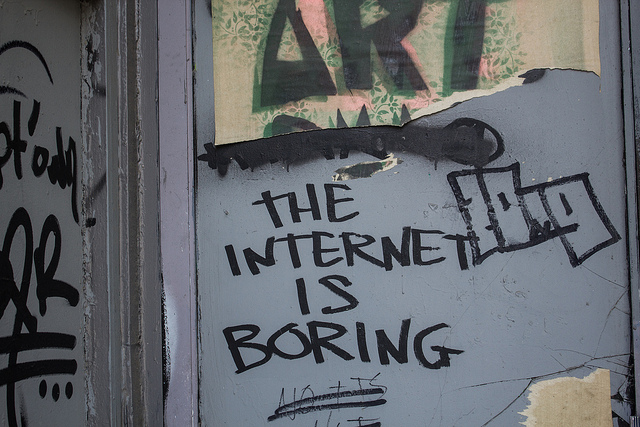 (Photo by Clif Burns)
The D.C. Department of Public Works wages a daily campaign against wheatpastes, spray paint, and stickers, responding to thousands of requests to remove graffiti each year. With a goal of bringing public awareness to the issue—and capitalizing on an ongoing discussion at the D.C. Council about the appropriate penalties for illegal tags—DPW is planning a graffiti removal blitz next month.
Tentatively called the “great graffiti wipeout,” the campaign is slated for a kickoff on May 16, which coincides with National Public Works Week. The opening event is most likely to start in Ward 1, where the highest number of calls come in, but they plan to address complaints in all eight wards, according to DPW public affairs specialist Nancee Lyons.
“Spring is a time when you see more graffiti, more people are thinking about it. Part of this is just trying to get ahead of it before the season really kicks off,” Lyons says.
DPW responded to 6,606 requests to remove graffiti last year, up from 5,014 requests in 2014 (but still much lower than 2012’s 8,571). “There are times when it quells, but it’s never going to be over. The culture of graffiti has grown so strong,” Lyons adds.
But that doesn’t mean they won’t fight it with a powerful solvent, enlisting local businesses, community groups, and other local partners in the Sisyphean task of removing new tags. Lyons adds that new construction, which tends to favor glass and metal over concrete, also lessens the number of hotspots for would-be graffiti artists.
Over at the D.C. Council, some think that higher penalties would act as a more effective deterrent. It was among the first priorities of newly elected councilmembers Brandon Todd (Ward 4) and LaRuby May (Ward 8), who introduced the “Anti-Graffiti Amendment Act of 2016” in January. In his weekly newsletter, Todd called graffiti a “serious problem that has become a nuisance in several neighborhoods, adversely affects the District’s business corridors, and has led to public safety issues.” If passed, the legislation would significantly increase fines, up from a couple hundred dollars to a minimum of $2,500.
Lyons encourages concerned citizens and community groups to get in touch with DPW and help out. “It’s always going to be a battle,” she says.