 Rachel Sadon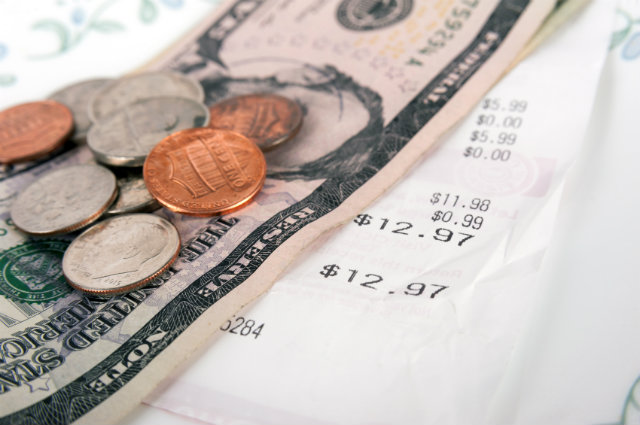
 Via iStockPhoto
With more than 150 people scheduled to testify, it took over 11 hours to hear them all out.
Starting at noon, they showed up to the John A. Wilson Building to offer testimony about the mayor’s plan to raise the minimum wage to $15 by 2020. Instead, the hearing largely became a referendum on the city’s tipping system.
“The $15 minimum wage is where we should go and it doesn’t feel like that’s where the fight is,” Ward 6 Councilmember Charles Allen said in his opening remarks. The rest of the afternoon and evening largely bore that out, with only a handful of people objecting entirely to raising the general minimum wage to $15 (and a couple of testimonials requesting a longer timeline to enact it).
Currently, the minimum wage is $10.50 and slated to rise to $11.50 in July, after which it will be tied to the Consumer Price Index. But following the nationwide “Fight For 15” movement, popular local support for it, and organizing efforts to get the issues before voters in November, Mayor Muriel Bowser proposed incrementally raising the minimum wage to $15 by 2020.
“We are glad there is consensus around a $15 minimum wage and welcome the ongoing conversation on how best to support our workers,” Bowser said in a statement following the hearing.
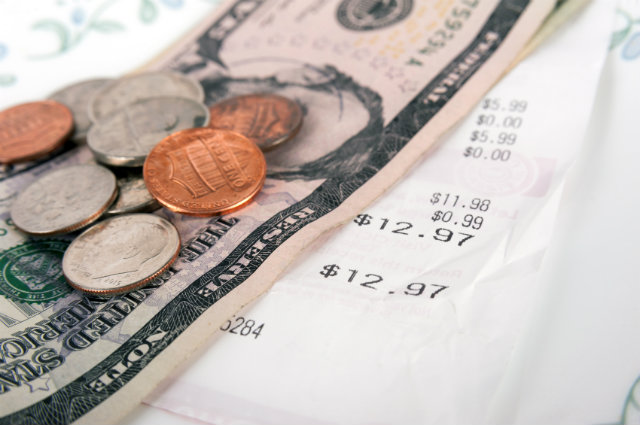
While her “Fair Shot Minimum Wage Amendment Act of 2016” bill includes a corresponding increase for tipped workers to $7.50 by 2022, the ballot initiative would extend the $15 minimum wage to tipped workers by 2024. And those proposed changes—currently tipped workers make $2.77 an hour plus tips; employers are obligated to make up the difference if that doesn’t equal minimum wage—were the subject of heated debate yesterday afternoon.
Vehement opposition to raising the tipped minimum wage was spearheaded by the Restaurant Association of Metropolitan Washington and the D.C. Nightlife Hospitality Association. Representatives from a number of local restaurants and bars joined them in testifying against the minimum wage, including Clyde’s, Jose Andres’ ThinkFoodGroup, Compass Rose, Ris, D.C. Reynolds, Granville Moore’s, Lost & Found, and Boss Shepherds, among many others.
“The legislation won’t do what you think it will, and will in fact harm the people it is intended to help,” RAMW’s president Kathy Hollinger testified. She argued that raising the tipped minimum wage is an attempt to solve a “problem that doesn’t exist,” and will force many restaurants to go under or abolish tipping.
A survey done by the Employment Policies Institute, a think tank affiliated with a PR firm that represents the restaurant industry, seemed to bolster the latter claim. Of 45 D.C. businesses that reported having tipped workers, 14 percent said they were “very likely” and 27 percent “somewhat likely” to get rid of tips. That would harm workers who make well above $15 an hour currently, Hollinger and other opponents said.
“No employee [at our bar] makes less than minimum wage, most make over, and some considerably over,” testified Diane Gross, the owner of Cork Wine Bar.
Andrew Kline, an attorney for the association, argued that if the tipped minimum wage increases passes, chain restaurants would figure out the new system and leave the thriving local restaurants scene in the dust. We’ll be flooded with Denny’s, Applebee’s, and Cheesecake Factory, “probably on every corner,” he said.
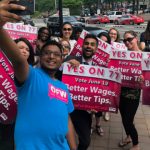
On the other side was a coalition of left-leaning activists and think tanks—D.C. Working Families, the Restaurant Opportunities Center, DCFPI, and Jews United for Justice, among them—who said Bowser’s law doesn’t go far enough, and that there should be one wage across all industries. They responded that the restaurant industry has consistently warned of dire consequences for previous wage increases and progressive labor laws to little avail.
But whereas D.C. has pioneered changes like paid sick leave and possibly family leave soon—often among the first handful of cities or states in the U.S. to enact them—there is precedent for having the minimum wage be the same for both tipped and un-tipped workers.
They cited a report by the Economic Policy Institute, which included data from seven states that abolished what opponents call the “sub-minimum wage” decades ago (an eighth, Hawaii, did so more recently and several cities also have one base wage). In those states, tipped workers made 20 percent more per hour (measuring both base pay and tips) when compared to those that used the federal tipped minimum wage of $2.13 per hour.
“This will help some of the most vulnerable workers without causing significant negative employment impacts,” said DCFPI analyst Ilana Boivie. Cities that don’t have a lower minimum wage for tipped workers, like San Francisco and Seattle, still have a robust local restaurant industry.
According to another study, this one by the National Women’s Law Center, commonly cited by those in favor of “one fair minimum wage,” female tipped workers are twice as likely to live in poverty as male tipped workers in the District. The report also noted that women of color, who make up 28 percent of the workforce, account for 42 percent of the population that would benefit from a higher wage.
“Research indicates that having a separate, lower minimum wage for tipped workers perpetuates racial and gender inequities,” testified Elise Gould, an economist at the Economic Policy Institute. “We wouldn’t put up with it in any other industry.”
Employees who currently earn tips came out for both sides of the debate, and largely (though not exclusively) white male workers opposed the increase in the tipped minimum wage and women of color argued in favor it.
“I’ve had to show my boss my paycheck, pull-out a calculator and even look up the law just for them to say, ‘we’ll look it over,’” said Jessica Wynter Martin, a server who has worked in D.C. for about a year and said wage theft (when employers don’t make up the difference to the minimum wage in the cases when tips don’t cover it) is common.
Restaurant owners countered that such practices don’t happen in their businesses, and the city should go after “bad actors” instead of changing the system.