
 Rachel Kurzius
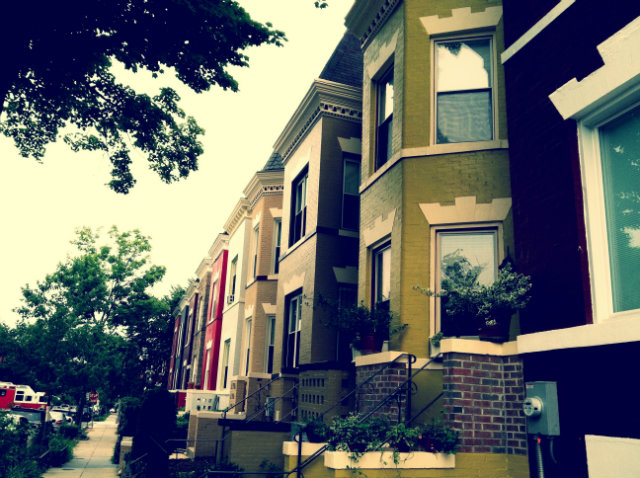 Photo by Elizabeth Murphy.
Picture this: you buy your first home, which the real estate agent tells you has been newly renovated, after getting it inspected (congrats!). Then your roof starts leaking or you learn that your open-floor plan doesn’t have a center bearing post, so that floor could collapse. You find out that your parking spot—or even the home itself—doesn’t have proper permitting.
For nearly 20 homeowners, this is no stretch of the imagination. After purchasing properties from Virginia couple Jefferson and Insun Hofgard, they’ve discovered that the “stunning renovations” they were promised were either nonexistent or substandard.
Now, at least 19 of these consumers will get some restitution. In a settlement reached between the Hofgards and the Office of the Attorney General Office of Consumer Protection, the couple will pay at least $1.3 million to affected buyers and at least $150,000 to the District in penalties and fees. D.C. will determine how to dole out the cash through a claims procedure.
Since last August, the Hofgards have not been able to construct, offer, or sell residential real estate without D.C. government permission, and this settlement makes that injunction permanent.
The OAG filed the suit in May of last year over the construction on houses sold in trendy neighborhoods like Bloomingdale, Petworth, Eckington, and Parkview.
The settlement says the Hofgards “performed sub-standard construction work, used sub-standard materials, and made renovations or repairs that were of sub-standard quality,” in addition to not following construction codes, using licensed contractors, or obtaining necessary permits. By not disclosing any of this to the purchasers, people ended up with homes that were worth far less than they paid. In some cases, the construction damaged neighboring properties.
The consent judgment does not include an admission of liability or any facts by the Hofgards, who have blamed their contractors. According to the settlement, Argueta Construction did most of the construction work without D.C. licenses for the work.
AG Racine said the settlement “makes amends to homeowners who were victims of shoddy and dangerous renovations and ensures that these house flippers cannot harm another District resident.” He added that it “sends a strong message” of deterrence to other potential house flippers. Washington Business Journal notes that the average gross profit for flips in D.C. was nearly $300,000 in the first quarter of 2016, offering a more than 95 percent return on investment.
Some of the homeowners are concerned that the settlement won’t cover all of the necessary home repairs. Brian Jacobson, who purchased a house in Petworth from the Hofgards, told The Post that “We received an estimate that to fix our house would cost between $450,000 to $500,000. If you look at $1.3 million and divided it by 19 properties, it’s not enough to get an architect to make a drawing.”
But Robert Marus, spokesperson for the OAG, says that’s not how the settlement works. “It’s not like we’re dividing $1.3 million divided by 19. We asked for restitution—the difference between what the property was actually worth and how much the homeowner paid for it.” So, essentially the $1.3 million “is a floor, not a ceiling” for the Hofgards paying back their ill-gotten gains, he says.
Many of the homeowners are engaged in private lawsuits against the Hofgards, and the settlement retains their ability to seek damages. While the OAG has identified 19 properties so far entitled to restitution, other victims of the Hofgards can still come forward.


