We all know that the DMV punches above its weight as far as the music scene is concerned. What may be less known is that major artists, both local and otherwise, often choose this area to record their work. There are a number of excellent studios available for more controlled environments, as well as venues that give ambiance to live recordings. So what did we miss? Feel free to drop other notable albums recorded in the area to the comments.
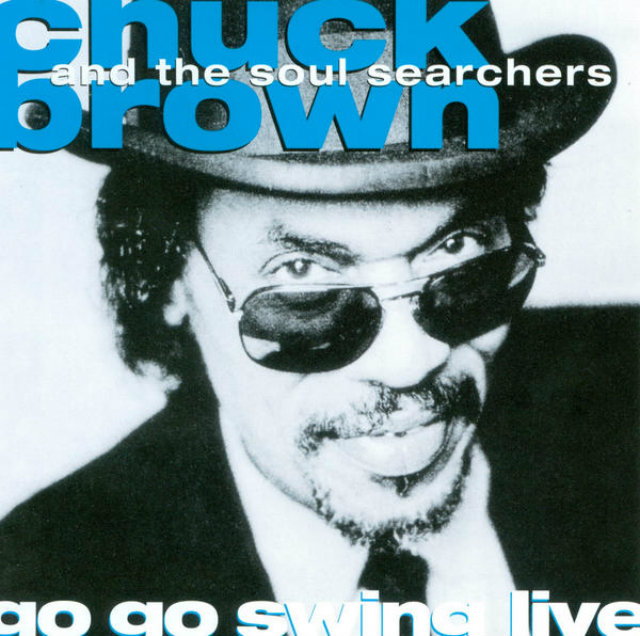
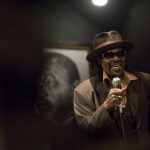
GO GO SWING LIVE BY CHUCK BROWN: There’s no better way to start this list than with D.C.’s go-go sound, and no recording captures go-go’s spirit better than Chuck Brown‘s 1986 release, Go Go Swing Live. Recorded at Crystal Skate (now called the Skate Palace) in Temple Hills, Md. and the long-defunct R.S.V.P. Club, this album features one of Brown’s tightest ensembles. If he was “The Godfather of Go-Go,” then his best wartime consigliere was the late drummer, Ricky “Sugarfoot” Wellman. Wellman took the go-go beat and made it his own, driving the horn and percussion sections with the deepest pocket imaginable. This album is the perfect starting point for anyone looking to explore D.C.’s homegrown funk.
LIVE AT BLUES ALLEY BY EVA CASSIDY: This past January marked 20 years since Eva Cassidy‘s stirring performance was captured at Blues Alley. The historic D.C. jazz club’s intimate setting was perfect for Cassidy’s angelic voice, which unfortunately did not receive widespread recognition until after her untimely passing in November ’96, a result of melanoma. Cassidy’s posthumous releases, many of which re-packaged tracks from this album, topped the charts in places like Britain, but Live at Blues Alley is a reminder that she belonged to us first. People who don’t get goosebumps while listening to Cassidy on this recording need to seriously question their humanity.
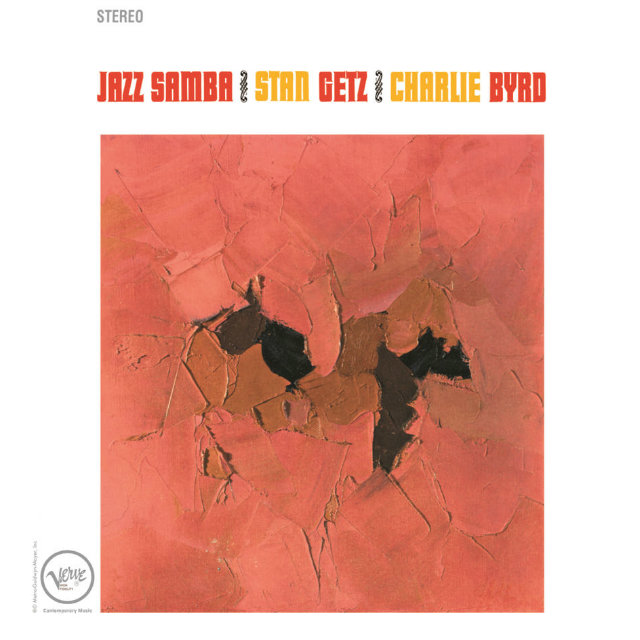
JAZZ SAMBA BY STAN GETZ & CHARLIE BYRD: Getz/Gilberto, the collaboration between saxophonist Stan Getz and vocalist Astrud Gilberto is considered by many to be the definitive blending of jazz and Brazilian music in the 1960s, largely because of the ubiquitous “The Girl from Ipanema”. However, it’s the partnership between Getz and guitarist Charlie Byrd, a towering figure in D.C. jazz history, that is the more groundbreaking recording. Jazz Samba was recorded at All Souls Church, Unitarian in February 1962 and, upon its release that April, was the first exposure many Americans had to Brazilian bossa nova. The track “Desafinado” became a hit and established composer Antonio Carlos Jobim in the U.S. On several fronts, Jazz Samba remains a foundational recording.
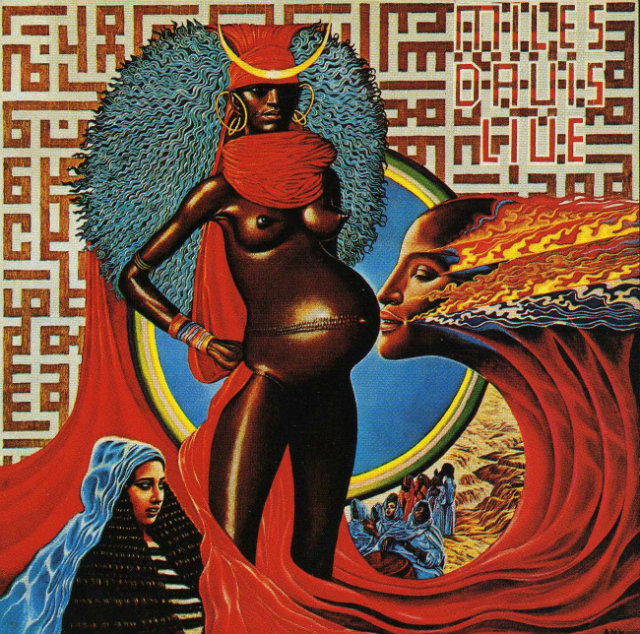
LIVE-EVIL BY MILES DAVIS: By the start of the ’70s, Miles Davis had all but abandoned the acoustic sound that made him a jazz icon in the 1950s and ’60s. Live-Evil‘s title is a bit deceptive, as four of its tracks were recorded at Columbia Records’ New York studios, with the remaining four live tracks coming from a performance at Georgetown’s Cellar Door on December 19, 1970. This gig was especially notable because it marked a reunion between Davis and guitarist John McLaughlin, who at this point was on his way to becoming a jazz legend in his own right. Other bandmembers include keyboardist Keith Jarrett, drummer Jack DeJohnette, percussionist Airto Moreira, and saxophonist Gary Bartz, all of whom are also now considered jazz elites. This music isn’t for the faint of heart, but Live-Evil documents a time when jazz fusion was establishing itself as a stand-alone genre.
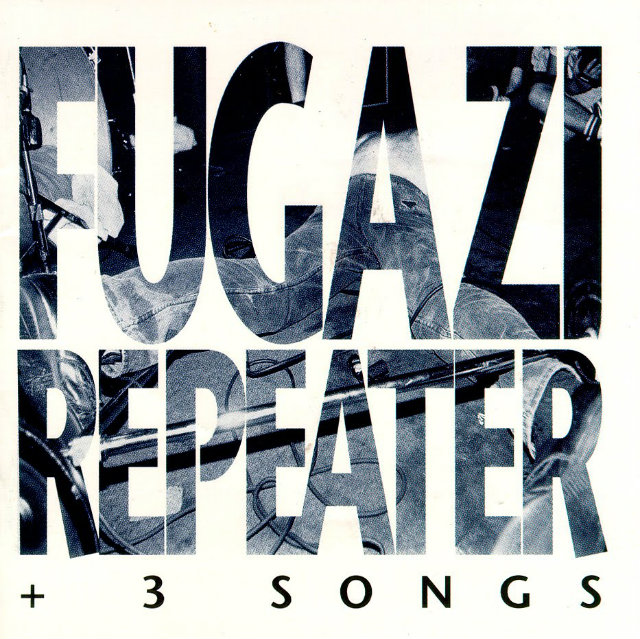
REPEATER BY FUGAZI: Anyone who saw the D.C. episode of Sonic Highways, Dave Grohl’s music series on HBO, is already well aware of the key role that Inner Ear Studios played in the local music scene. In particular, it is Dischord Records‘ recording hub. There are probably a half dozen albums recorded here that could make this list, but we’ve chosen Fugazi‘s Repeater, only because we’re required by law to mention Fugazi whenever writing about D.C. music history. This is the album where the band really came into its own, making it a harDCore classic.
THE MIRROR CONSPIRACY BY THIEVERY CORPORATION: Multiple sources indicate that this album was recorded at ESL Studios in Washington, D.C. To be honest, we have no idea where ESL Studios is. For all we know, it is Rob Garza’s basement. Still, the international downtempo sound that Garza and his collaborator, Eric Hilton, created as Thievery Corporation cemented itself on this 2000 release, and the band has largely stuck to the same formula ever since. The Mirror Conspiracy‘s most well-known track, “Lebanese Blonde”, was featured on the soundtrack to the 2004 film, Garden State. The song’s vocalist, Pam Bricker, was a highly respected member of the local jazz community before she sadly took her own life in 2005.
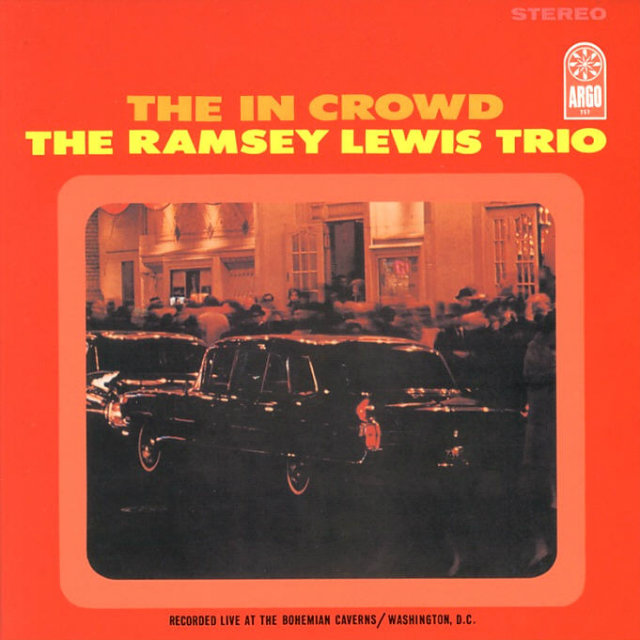
THE IN CROWD BY THE RAMSEY LEWIS TRIO: Ramsey Lewis is considered among the all-time great pianists, earning him the title of NEA Jazz Master in 2007. When his trio came to Bohemian Caverns in 1965, he was in the midst of a particularly fertile period in his career. Lewis released an astounding six albums during the previous year, one of which was also recorded in the cave. The In Crowd‘s title track capitalized on the popularity of the soul jazz movement and earned Lewis crossover success, reaching number five on the pop chart. The album as a whole also enjoyed great success, winning a Grammy in 1966. While some of us haven’t gotten over Bohemian Caverns’ recent closure, it’s comforting to know that the memories remain and stretch back over decades.
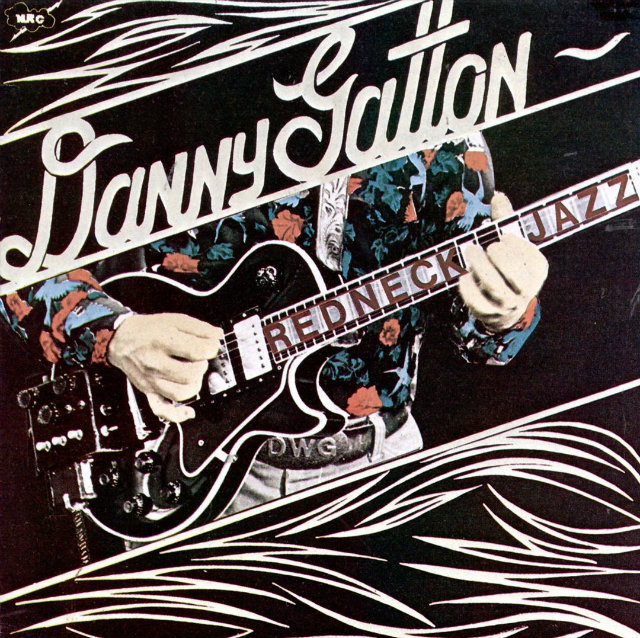
REDNECK JAZZ BY DANNY GATTON: Bias Studios, located in Springfield, Va, has been operating since 1973. The studio’s engineers have recorded Grammy winning and multi-platinum albums, but Redneck Jazz stands out as a masterpiece by a local legend. Danny Gatton was a guitarist’s guitarist, capable of playing anything from bluegrass, to rockabilly, to hardcore jazz. His virtuosity and willingness to draw from all influences are wonderfully captured on Redneck Jazz. Gatton committed suicide in 1994, but his music lives on through his recordings and recent Anacostia Delta tribute performances.
WHERE IS HOME BY JANEL & ANTHONY: Folks outside of the D.C. area might be surprised to discover the area’s rich experimental scene. Guitarist Anthony Pirog and cellist Janel Leppin are pillars of this community, and they often play and record as a duo, simply called Janel & Anthony. Their 2012 album, Where Is Home, was recorded at The Brink in Centreville, Va. (Ed. note: Sriram Gopal has also recorded an album here), and was released on Cuneiform Records, which DCist named as one of the area’s best labels. The recording skillfully walks a fine line between ambience, accessibility, and the avant-garde, as shown in the opening track, “Big Sur”. The album garnered rave reviews from critics and even Andy Summers, the highly regarded guitarist of The Police, shined a light on Where Is Home and Pirog’s skills as a guitarist.
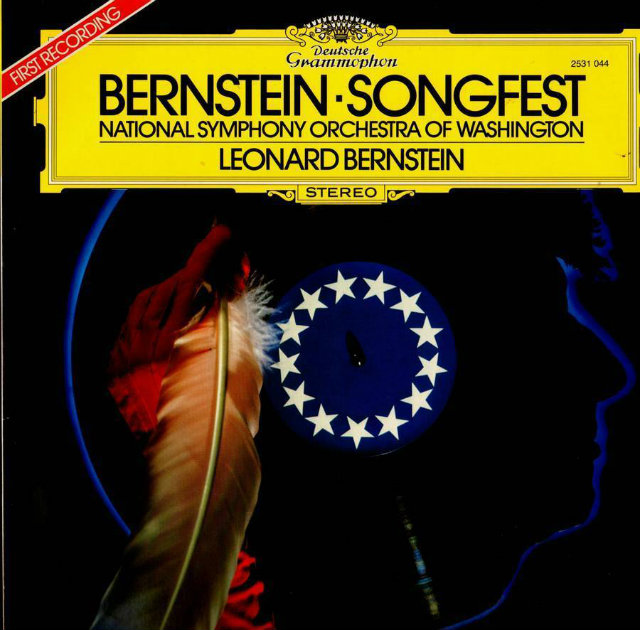
SONGFEST BY LEONARD BERNSTEIN AND THE NSO: Songfest is a piece commissioned to celebrate America’s 1976 bicentennial. Leonard Bernstein, the giant of American music and its composer, was unable to complete the work in time. The song cycle premiered at the Kennedy Center on October 11, 1977 with Bernstein conducting what was then known as the National Symphony Orchestra of Washington. The piece is wildly eclectic, and intentionally so. Bernstein’s aim was to create a tableau of America’s past through the lens of an artist in 1976. Bernstein drew from the work of 13 poets whose words were written in the 17th through 20th centuries. The common thread is the artist’s experience in a society evolving from deeply Puritan roots.

BLIND JOE DEATH BY JOHN FAHEY: D.C. area musicians were among the pioneers of independent record labels, and we don’t just mean Dischord. When he was just 17 years old, Takoma Park native John Fahey recorded an album of acoustic guitar solos at a church in Adelphi, Md., and with money he earned working the all-night shift at a neighborhood Esso gas station, Fahey released the album on his own label in what was originally an edition of 100. Blind Joe Death was a landmark release in 1959, partially because it launched Takoma Records, one of the most celebrated folk music labels. While the guitarist moved to Oregon in 1981, he didn’t forget where he came from; his 1984 album Let Go included the track “Sunset on Prince George’s County”. Fahey died in 2001, but his he left an important legacy. Blind Joe Death was named to the National Recording Registry in 2010. — Pat Padua