 Rachel Sadon
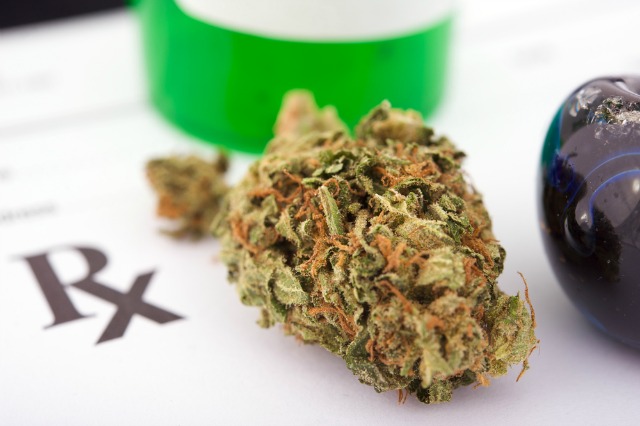 Photo via Shutterstock
Mayor Muriel Bowser is proposing doubling the amount of marijuana that patients can receive in a month, from two to four ounces, citing “best practices.”
“We are committed to building a safe, high-quality medical marijuana program that meets the needs of patients without unduly burdening patients and providers,” Bowser said in a statement. “As such, we are excited to make improvements that will enhance the effectiveness of our program by aligning it with best practices and allow us to better meet the need of our residents and the growth of the medical marijuana industry.”
A D.C. Department of Health’s Scientific Subcommittee unanimously voted to recommend increasing the limit in July, a change that dispensaries have been requesting for several years.
“We thought it was going to be pretty easy to increase it” since the medical marijuana law provides a mechanism for raising the limit without having to pass additional legislation, says Mike Cuthriell, the president of Metropolitan Wellness Center. “Two years [to come to a decision] was an extended period that seemed a bit negligent.”
Not all patients hit their monthly limit, but those that do are left either in pain or needing to turn to the black market. Cuthriell roughly estimates that somewhere between 30 and 50 percent of his patients will benefit.
D.C.’s medical marijuana program has come a long way since it was first enacted, when supply issues and restrictions on qualifying conditions curtailed the industry. Now, there are nearly 4,000 registered patients, seven cultivation centers, and five dispensaries.
Here’s the short version of a very long history: Almost 70 percent of D.C. residents voted in favor of a ballot initiative to create a medical marijuana program in 1998. Congress blocked its implementation for more than a decade, after which came a three-year-long regulatory process. It wasn’t until 2013 that medical marijuana was actually available for purchase in the District. Even then, the program was tightly controlled on both the demand and supply sides, with restrictions on what kind of illnesses could qualify and how many plants cultivators could grow. In the face of overwhelming public support for reforming the law, the D.C. Council expanded the list of qualifying ailments (and eventually did away with it entirely) and doubled the amount that the businesses could grow. Meanwhile, half the country has since legalized some form of medical marijuana.
The D.C. Department of Health also plans to create a division within the agency “devoted to advancing science, technology and innovation in the fast-paced field of medical marijuana.” The DEA recently declined to reclassify marijuana (it is currently a schedule 1 substance, meaning the government believes there is “no currently accepted medical use”), but it did make it easier for researchers to study cannabis.
According to the mayor’s office, the set of proposed changes will require approval from the D.C. Council.
Says Cuthriell: “People who don’t need [the extra two ounces] probably don’t have a strong opinion, but the people who need it are saying it is about time.”