 Rachel Sadon
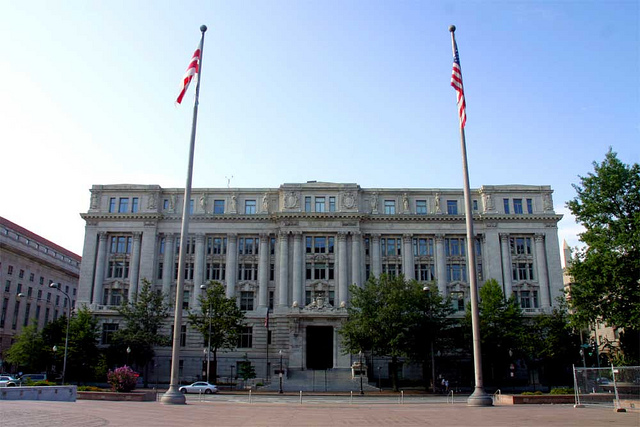 (Photo by David Gaines)
As D.C. nears the possible passage of one of the most generous paid family leave laws in the country, one would expect to find labor activists happily cheering it across the finish line.
Indeed, they are planning to show up en masse to Tuesday’s markup of the Universal Paid Leave Act bill at the D.C. Council. But they are also deeply worried that the bill could come at a steep cost to other issues they care about.
In announcing the latest details of the proposal, Chairman Phil Mendelson said in a release that he would support a two-year freeze on “similar bills.”
“Sensitive to the cumulative effects of legislation that could have a disparate impact on District employers, I will support a two-year moratorium on the adoption of similar bills, such as mandating scheduling requirements or nurse staffing ratios in hospitals,” Mendelson said on Tuesday.
Exactly how such a moratorium would be implemented and what other labor laws could conceivably be affected remain unclear. A spokeswoman for Mendelson said she wasn’t aware of any formal legislation to enact a freeze, but couldn’t provide additional details about what the chairman is proposing. Labor activists also say they have sought more information to little avail.
“This came totally out of nowhere for us,” says Ari Schwartz, the lead organizer of DC Jobs With Justice. “We’ve been working for years on this hours and scheduling bill which they tabled because they felt it was too much, too soon and now he’s compounding that by two years.”
Under the revised paid family bill, all full- and part-time employees in D.C., with the exception of federal government workers, would be entitled to 11 weeks of paid leave in the event of a birth or adoption and 8 weeks to care for an ailing family member, funded by a .62 percent increase in payroll taxes.
The mayor has long expressed wariness over the bill, and her only public statement since Mendelson’s announcement indicated continued skepticism. “She remains concerned that the legislation does not go far enough in putting D.C. families first,” the mayor’s communication’s director said in a statement earlier this week. “This is about fairness, and if we are going to raise a quarter of a billion dollars in new taxes each year, then D.C. families should be the primary beneficiaries.”
The bill is one of a slate of proposed and enacted laws, like a gradual increase of the minimum wage to $15 by 2020, bolstering the city’s reputation for progressive labor issues. But the D.C. Council has already started to slow the tide.
Legislators voted in September to table the Hours and Scheduling Stability Act, effectively relegating it to another legislative session. The bill would require that chain stores and restaurants in D.C. give advanced notice for schedule changes, following landmark legislation in San Francisco.
A study study done by left-leaning groups found that about a third of service workers in D.C. receive their schedules less than three days in advance and another 30 percent said they were given less than a day’s notice about changes to schedules. But business groups pushed back hard against the bill, saying it would create unnecessary headaches for industries that require a flexible workforce.
Councilmember Elissa Silverman has already had a hearing on the scheduling bill and was expected to take it up again next legislative session. Her office did not return a call seeking comment on the proposed moratorium.
The second bill that Mendelson’s statement references would regulate the minimum nurse-patient ratio at local hospitals. It already stalled in the last legislative session, and the country’s largest union of nurses, National Nurses United, says it would be unacceptable to wait another two years.
“The registered nurses of the District of Columbia will never stop our advocacy on behalf of our patients, especially the necessity to ensure safe staffing in the city’s hospitals,” said LaKisha Little-Smalls, RN, a neo-natal intensive care nurse and the president of the District of Columbia Nurses Association, in a release. “We expect the elected officials of this city to step up and do their jobs and protect the health and safety of everyone who seeks care in our city’s hospitals.”
Leaders of eight other labor and community groups also issued statements condemning the possibility of a moratorium.
“We live a ‘tale of two cities’ reality in D.C. and a moratorium on improvements to job quality only legislates that reality,” said Carol Joyner, director for the Labor Project for Working Families.
A number cited the incoming administration among their fears.
“It’s just shocking to us that for two years, especially given the uncertainty of the attacks and changes of a Trump administration, that we would tie the Council’s hands,” Schwartz told DCist. “We don’t know what issues will come forward in two years.”