 Rachel Sadon
The city’s convention and sports authority announced short-term plans for the 190-acre RFK campus that leaves few recreational activities out of the mix, at a cost of nearly half a billion dollars.
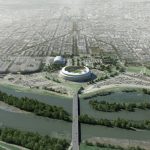
Events DC rolled out a plan to activate the site, very literally, with a 315,000 square-foot sports and recreation complex that could feature indoor soccer, basketball, go karts, zip-lines, paintball, trampolining, and batting cages. The plan includes another 217,000 square-feet of outdoor playing fields and a 61,000-square-foot food market hall, more than double the size of Union Market.
After D.C. United vacates RFK stadium for their new home at Buzzard Point, the site (much of it currently parking lots) will be opened up to a whole host of possibilities. The options, though, are constrained by the terms of the long-term lease with the National Park Service, which expires in about two decades and mandates the land be used for a stadium, “recreational facilities, open spaces, or public outdoor recreation opportunities,” or similar public uses.
At a meeting in April, Events DC rolled out three overarching visions for the site, with a 65,000 seat NFL stadium, a 20,000-seat arena, or “no anchor.”
The possibility of bringing back a NFL stadium has, until now, been stymied by the Department of the Interior’s opposition to the name of Washington’s football team. That seems very likely to change under the new administration (Donald Trump’s position is that the debate over the slur is “unnecessary political correctness”), while Wizards and Caps owner Ted Leonsis has left the door wide open for a possible move from the Verizon Center.
For now, though, the public-facing discussion is focused on what to do in the more immediate future. Events DC says it could make the ambitious proposals a reality in two to five years. In addition to the sports and recreational sites, the plan includes three pedestrian bridges to Kingman and Heritage Islands and a Robert F. Kennedy memorial.
“The RFK Stadium-Armory Campus short-term program elements that we have proposed will turn asphalt into active uses—from multi-purpose recreational fields to a permanent food hall that will serve not only the entire city, but importantly, some of the currently underserved areas near the campus,” said Max Brown, chairman of the Board of Directors for Events DC, in a statement. “It remains our top priority at Events DC to restore and transform this iconic 190-acre Campus into a prime example of innovative and flexible urban living.”
All this would come at a cost of around $490 million, plus additional funds for environmental remediation efforts. The bulk of that, $228 million, would go toward the sports complex.
Events DC proposes for paying for about half from its budget—which largely comes from taxes levied on D.C. hotel and restaurants—with another $83 million coming directly from the D.C. Council and $166 million from private sources.