 Leonard Slatkin has been programming good music for the National Symphony Orchestra this season, much of it featuring an impressive roster of guest soloists. So far this fall, this DCist has heard Itzhak Perlman playing Barber and could have heard, but sadly missed, Nikolaj Znaider playing Bruch and Truls Mørk playing Elgar. True, more unusual fare has been safely packaged with favorites, for the most part, but in concert programming, just as in politics, it is wise to keep your base happy.
With what is, so far, an excellent season, why is the NSO not drawing a full audience? We were puzzled and dismayed to see that the Kennedy Center‘s Concert Hall was shockingly empty last night, with many rows devoid of listeners, at the back of the orchestra section and even in the balconies. Has the Kennedy Center, with its Festival of China all this month, stabbed its regular performing groups in the back? Are the NSO’s regular ticket buyers going to hear Chinese music instead? Even this DCist, who has strong classical biases, almost gave up the NSO to hear the Chinese National Peking Opera Company last night, so that may explain it.
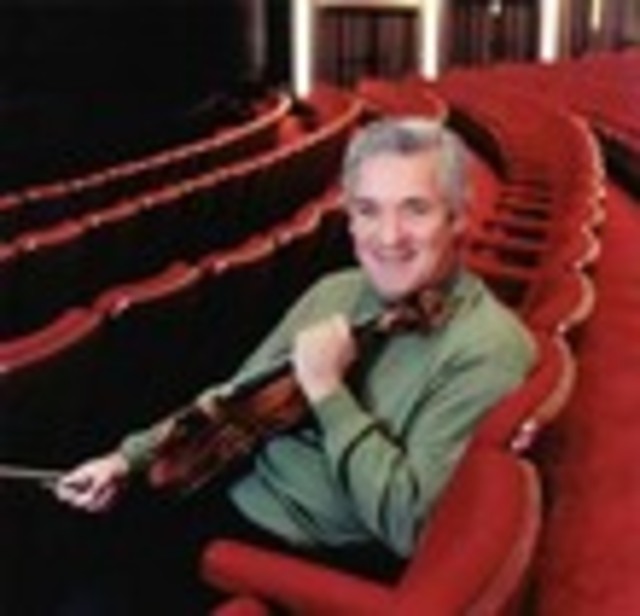
In the end, it was the chance to hear soloist Pinchas Zukerman that sealed the deal for us. At 57, he is a veteran performer with superstar appeal, and the program promised that he would wield not only the violin but also the viola for which he has become known. On the former, Zukerman gave us Alban Berg’s Concerto for Violin and Orchestra. Composed in 1935 by the great 12-tone composer shortly before his death, this concerto is dedicated to the memory of Manon Gropius, the daughter of Walter Gropius and Alma Mahler. She died tragically young, at the age of 19, of polio, and this concerto is infused with both her charm (Berg wrote the words “To the memory of an angel” on the score) and the devastating sense of loss felt by all who knew her. The musical style is laden with dissonance, but with glints of more traditional harmonies, especially in the heartbreaking evocation of Bach’s setting of the chorale Es ist genug, as the melody-bearing clarinet clashes with other instruments in the orchestra. The text of the chorale, presented almost as if sung sweetly by Manon, means basically “It is enough, Lord, let me die.” Representing her joie de vivre, there are also some jazzy sounds, especially in the final section, where the alto saxophone makes an appearance. Zukerman’s playing was perhaps not technically faultless, although nearly so (those damn double stops), but was shaped and nuanced so well that we were swept away by the elegiac tone.