 Transitional moments, rites of passage, metamorphoses … as many ways as there are to define liminality, that’s how many directions the artists went in DCAC’s exhibit, Space of Change, curated by Claire Huschle and Margaret Boozer, with help from Anne Surak. And with work ranging from superior to mediocre, the show is a slightly confused amalgam of pieces that might have been better served with either fewer artists or a theme that wasn’t so totally vague that you could categorize nearly all art underneath it.
That being said, Space of Change features a couple of shining stars. Martin Brief (who also wins the prize for the sheer number of pieces displayed — eleven out of the eighteen) contributes two series of ink on vellum drawings. The first are a kind of constellation map, covered in dots that tie together to make a bigger, coherent picture with a background story only the viewer can supply. Made by laying the vellum over a three decade-old New York Times and filling in each letter ‘o,’ Brief shows how once-important, detailed stories have changed over time to become merely residue in our minds.
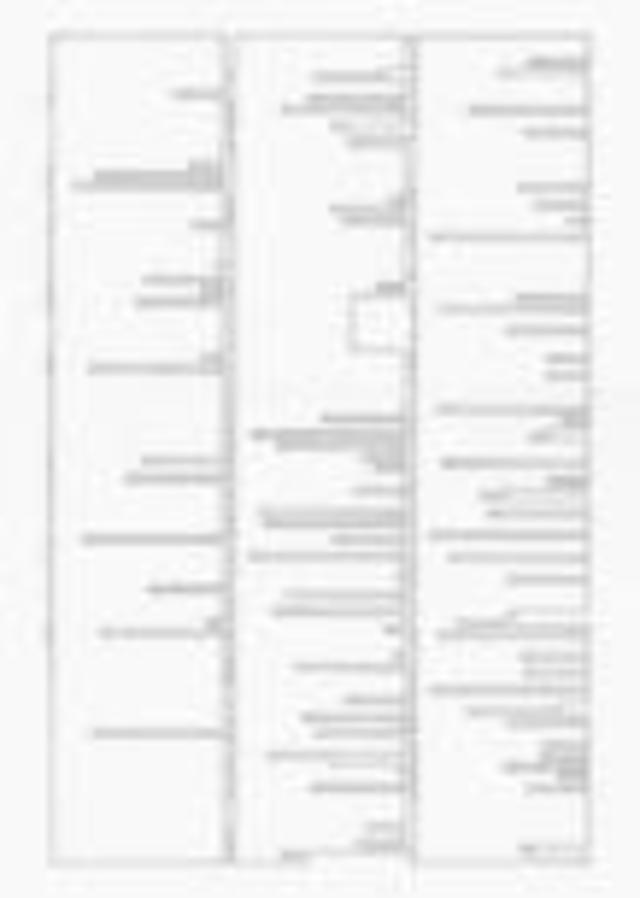
A scientific layman might mistake his second series for DNA charts (pictured), especially when the first one you come upon is titled acne rosacea — acquired immunity. Each of the three columns begins with a line going down the left-hand side, veering over in ruler-straight lines to the other side of the column and back again. Much like a DNA chart, which is the basic outline of a bigger, detailed form, Brief creates his own basic outlines from pages of the dictionary; they leave us only the shape of the definitions, not the details.