Martin Austermuhle
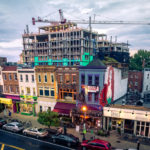
 As Columbia Heights, Logan Circle, Shaw, and U Street have become the hottest neighborhoods in town, we’ve spent more than our share of time discussing the unintended effects of economic growth and a red-hot housing market. Gentrification has been the District’s dirty word in recent years, so much so that the recent mayoral campaign was focused on how best to mitigate its impacts. Candidates debated how to keep the city’s low-income residents from being displaced, and most agreed that it was in the city’s interest to maintain, defend, and even expand existing affordable housing programs. But today the Post reports that one initiative may be turning the concept of affordable housing on its head, forcing us to explore how best to improve the city’s forgotten neighborhoods.
According to the Post, the District has started subsidizing housing in certain parts of Southeast in hopes of attracting middle class homebuyers to the area. The idea is that the more middle class residents start moving in, the more likely it becomes that high-end business will follow, existing landowners will spruce up their properties, and investment opportunies will open up. In short, the idea is that if you bring back the middle class, improvements will follow.
The logic is sound. Many of the District’s hottest neighborhoods only became so after young professionals moved in, bringing with them disposable income that attracted bars, restaurants, and businesses. But, just as in those neighborhoods, the question remains — how can you balance improving a neighborhood’s lot without forcing its lowest income residents out? After all, new homeowners and new businesses lead to increasing property values, putting pressure on the very people who can least afford it. Ultimately, this isn’t development — it’s displacement.
Of course, the area where the initiative is taking place already has its share of affordable and low-income housing. And given that incoming-mayor Adrian Fenty made it a centerpiece of his campaign to protect affordable housing, it’s not likely that Columbia Heights-style gentrification will happen anytime soon. This initiative, if implemented well and coupled with programs to help low-income residents, could make for exactly what the District needs more of — a vibrant and diverse mixed-income neighborhood. And maybe, just maybe, gentrification won’t be such a bad word anymore.
Picture snapped by billadler