 German photographer Wolfgang Tillmans is internationally recognized as one of the most significant contemporary artists to emerge during the 1990s. The photographs on the Hirshhorn’s second level epitomize Tillmans’ revolutionary style, which is now celebrated for his ability to capture seemingly casual moments with a synergistic eye. But his work is anything but haphazard. His probative, nimble-minded perspective, which has defined Tillmans’ photography since he breached the contemporary art scene, treats every subject with the same poignant and distinguished tender-loving-care.
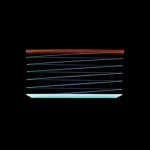
The artist’s poised way of exhibiting his photographs is energized by his hope to accentuate the photograph as a material object and to nurture the ever-changing relationship between himself and the images he creates. This is the third venue of his first US tour, but is unique in its presentation. Some of the images are small, the familiar size of snapshots from the One-Hour Photo, which force the viewer to look closer and experience these images privately. Others, like the beautifully abstract exposures scattered throughout described as Freischwimmer (roughly translated from German as “free floating”) and created without the use of a camera, are large-format examples of 100% charisma concentrate. The alternating proportions of the photographs comfortably charge them with their distinct presence in the space. Each photo is individually titled and dated, and the nice curators have provided a handy dandy guide as to not obstruct the continuity and the spatial arrangement of the installation with jutting labels.
The exhibition begins with a room awash with portraits. In 1988, Tillmans was voluntarily submerged in the local rave scene in Hamburg, Germany, and began documenting the emerging youth subculture he found there. In every size and spanning his entire photographic career, this first room screams hip DJ culture and peeps into the night lives of sexy, sweaty adolescents, showing them dancing, showering, smoking, undressing, and coolly relaxing. These highly personal views of his close friends confirms the artist’s gift of snapping from his rare and extraordinarily mindful perch, and reveals his precious undertaking to show the human body in new, innocent, and unadulterated ways.
Following Bunshaft’s bending gallery walls, viewers enter the “Paper Drop” room. Since the walls themselves become such an influential element in not only how Tillmans individually installs the photos but also how these photographs are meant to be viewed, the fifteen images in this room are magical. As they hug and scale the curling architecture, they simultaneously depict the soft curvature of dampened photographic paper. This series manages to be representational, sculptural, abstract, and illusionistic all at once.