 Any wine lover can tell you that when you pick up a bottle from Bordeaux or Châteauneuf-du-Pape, the wine will usually consist of multiple varietals. Red Bordeaux is usually some combination of Cabernet Sauvignon, Cabernet Franc, and Merlot with perhaps a little Malbec or Petit Verdot. While red Châteauneufs are usually Grenache, Syrah, or Mourvedre based. When you pick up a bottle from California and it says Cabernet Sauvignon on it, you know what it is, right? Well not exactly, but we’ll get to that later. Even better is when you pick up a bottle of wine that simply has a name on it and have no idea what is in it, unless it’s listed on the back label of course. In such a case, you’re likely to find that your selected wine is a blend. The method of blending more than one varietal to produce a wine is far from a new concept. But what is a new trend are the types of blends we’re seeing, specifically New World (i.e., non-European) blends.
Producing blends is a common practice, and there are many reasons why a vintner may choose to do it. Very few single varietal wines can stand alone and achieve that perfectly desired finished product. The winemaker may need to balance the acidity, tannins, or alcohol level. Perhaps they want to enhance the aroma or add or minimize flavor. This can all be achieved by blending multiple varieties that have similar qualities but overall different characteristics. This method helps them maintain consistency from year to year.
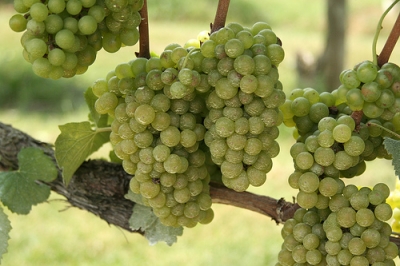
Photo of Virginia chardonnay grapes from amishah.