Too often, when we think of problems with our transit service here in D.C., it’s from the perspective of a commuter headed to work. It’s not an unreasonable point of view; much of the travel that takes place in the District is for commuting. Ensuring Metro’s morning and evening rush are as smooth and painless as possible is critical to keeping business in the city, as well as attracting more of it. Commerce is not the only thing that lives in this town, though, and if D.C. aspires to increase its residential population, officials also need to make sure they are providing transportation services to help people move around and between their neighborhoods.
But let’s face it. Though it’s among the nation’s best and most extensive transit systems, Metro is just not very well-designed for travel within the city. The rail network’s hub and spoke design is clearly geared toward suburban commuters. The bus system struggles to play a dual role with its long, straight commuter lines and winding neighborhood routes. The result is that many areas of the District are fairly isolated from significant transit access. Spotty bus service and no rail service affect both affluent areas like Georgetown and Chevy Chase, and less well off sections of the city such as Trinidad and much of Southeast.
What’s more, as the city continues to grow, the demands commuters place on Metro will continue to grow, further frustrating local neighborhood travel. The Silver Line extension to Dulles, for example, is great for folks in far-off Tysons, Reston, and Herdon. It’ll give them a much-need transit option, and help relieve congestion on suburban roads and highways. But it’ll also dump a significant number of riders into downtown Orange Line stations, making local Metro travel increasingly more complicated.
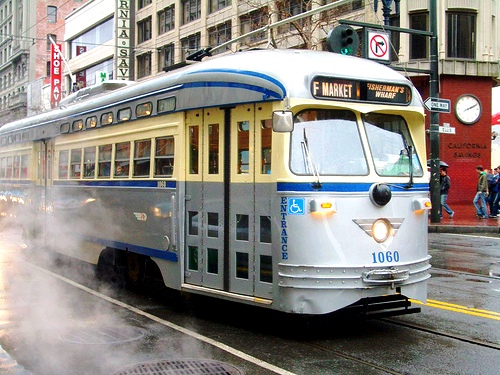
D.C. needs another public transit option that is focused on providing local neighborhood service — an option like streetcars.
Photo by Telstar Logistics