 On most Sunday evenings in Washington, the National Gallery of Art hosts a free classical music concert series. The venue is, with some exceptions, the pretty if hyper-resonant West Garden Court in the West Building, an aesthetically pleasing location although there are not many good sight lines. The line-up is a mixture of local performers and bigger names, with the occasional visit by an extraordinary player or ensemble. The virtue of this series is that it is free, and you do not even need to reserve a ticket. If some Sunday evening you find yourself with nothing to do at 6:30 p.m., you can just walk in and find a seat.
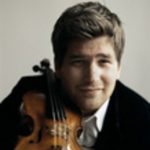
This past Sunday evening, members of the New York Chamber Soloists (pictured) opened the series’ winter season. The opening work on this concert, one of the Vivaldi double wind concerti, felt under-rehearsed, almost like an afterthought to the rest of the program. In fact, leaving it out would have spared the hassle of bringing in a harpsichord, used only for this work. It was a rough start, with too many infelicities of intonation (especially from the oboe) and rhythmic alignment. Still, it is a lovely piece of music, especially the third movement, an Allegro molto based on a repeated bass pattern.
The best playing came in the middle of the program, especially the pairing of flutist Jennifer Grim and clarinetist Allen Blustine on Elliot Carter’s Esprit rude/Esprit doux. It is one of several birthday tributes that the soon-to-be 100-year-old Carter (born December 11, 1908, one day after Olivier Messiaen) has offered to Pierre Boulez, in this case for Boulez’s 60th birthday, in 1985. The piece is a fascinating opposition of two voices, based on motifs taken from letters in Boulez’s name and linguistic arcana relating to a phrase in Greek, incarnated by the two wind instruments, demanding a virtuosic control of range, dynamics, and attack.