Martin Austermuhle
Your Transit Wish List…
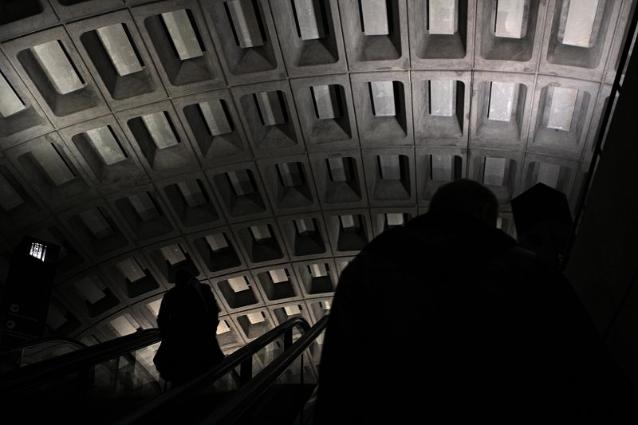
If the end of every year is time for the “Best & Worst Of” lists, the start of the following year invariably turns into the “Wish List” season. And in the world of transit, blogger Richard Layman of Rebuilding Place in the Urban Space has compiled a comprehensive tally of what every transit-geek and commuter alike should want in the years to come. On the more conservative side, Layman includes dedicated funding for Metro, the use of different types of pavement depending on road type, more new bus shelters, better bus service and improved transit information. On the more ambitious side, though, he includes a streetcar network, double-tunneling or a third track for Metro, a market-based approach to Residential Parking Permits and an extension for the Blue Line into downtown. Former DCist editor Ryan Avent chimes in with a few wishes of his own. If you’re a commuter, the list finds a number of ways to make your life a whole lot easier; if you’re a local government official, it provides a starting point on where transit planning needs to go.
Protecting Cyclists in Portland
I’m a cyclist, and I’ll be the first to admit that we’ll never be as progressive as Portland when it comes to embracing a two-wheeled approach to transportation. But there are certain things we can learn from them.
Today the New York Times reports on a new initiative in Portland to protect cyclists at intersections. Responding to two cyclist deaths in October 2007, this spring the city will start painting in “bike boxes” at busy intersections, providing clearly designated places for cyclists to stop in front of car traffic as they wait for lights to change. In the District, as with any other city that has on-road bike lanes, cyclists are forced to wait alongside car traffic, increasing the chances that a driver could blindly make a sharp right turn and take the cyclist with them. It was this very move that killed the two cyclists in Portland, and the very thing the bike boxes seek to prevent. When a traffic light is red, drivers will be forbidden from driving through a bike box to make a right turn. And when the light is green, or so goes the plan, the visibility of the box will make drivers more aware of the possibility that cyclists might be riding through the intersection.
While there is still plenty to be done to make the District more bike-friendly, the use of bike boxes alongside the increasing network of on-road bike lanes should be considered. And lucky us, Council member Tommy Wells (D-Ward 6), himself a cyclist, is looking for ways to make city cycling safer. Bike boxes, Tommy. Bike boxes.
Photo by spiggycat