 On a rainy summer night in a house on the banks of Lake Geneva in 1816, five people found themselves passing the time by reading aloud from a recently published collection of supernatural tales and ghost stories. Bored with the stories, and believing that they could do better, they issued a challenge to each other: during the remaining weeks of their stay they should each write a story that surpassed this collection in both technique and terror.
The results of this impromptu contest reshaped literary and cultural history. By the end of the group’s stay, the two recognized writers, the poets Lord Byron and Percy Bysshe Shelley, hadn’t made much progress and would later abandon their efforts. One of their companions, Dr. John Polidori, ended up writing a work about “vampyres” that would later influence Bram Stoker, author of Dracula. But it was Shelley’s young wife, Mary, who was able to conjure up images that continue to haunt us: Frankenstein, a work so popular that practically everyone in the English-speaking world is familiar with the story though few have actually read it. For local author Susan Tyler Hitchcock, the work remains an obsession, one that that resulted in her latest book, Frankenstein: A Cultural History.
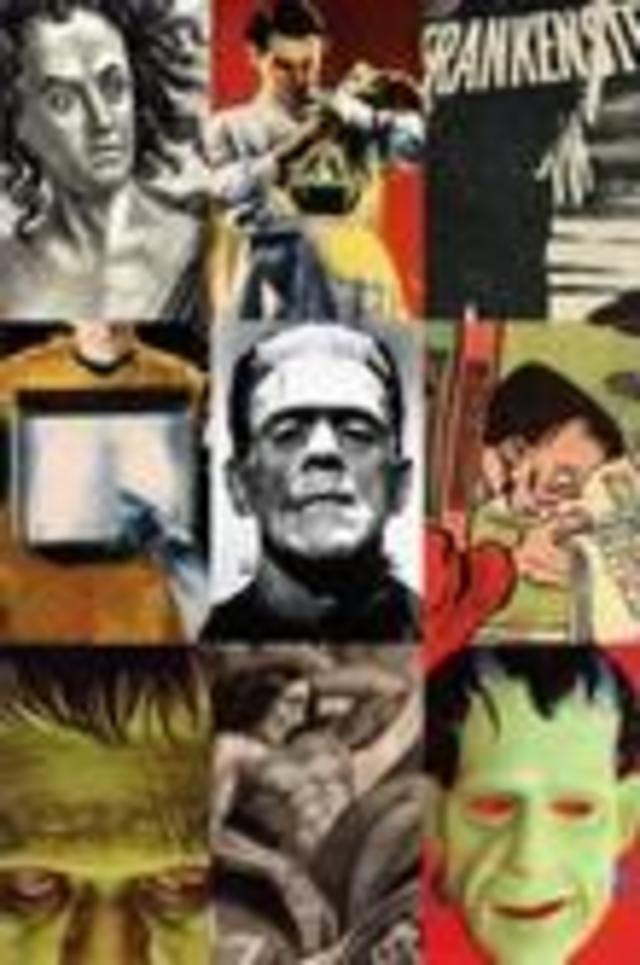
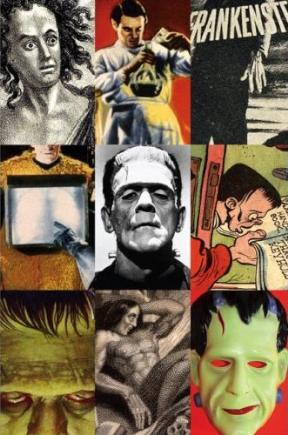
Hitchcock deftly balances two careers, spending part of her week in her offices at National Geographic, where she’s a book editor, and part of her week at her home near Charlottesville, where she’s written a number of scholarly books on the Romantic Era. A self-styled collector of what she calls “Frankensteiniana,” Hitchcock has watched her scholarly writing give way to surveying popular culture to locate the fascinating, frightening and often humorous ways that Mary Shelley’s story has manifested itself (she even maintains a blog called Monster Sightings that’s devoted to locating incarnations of “the creature” in the today’s popular culture). Frankenstein: A Cultural History is the result of that survey, cataloguing the numerous books, movies, television shows, comic books and other post-Gothic cultural detritus that demonstrates how ubiquitous and universal Mary Shelley’s tale is, and how it continues to fire our imaginations.
DCist interviewed Susan Hitchcock about her book, her writing and what she’s learned from two decades of studying everything Frankenstein.