 Today’s Washington Post reports on a surge of deaths linked to heroin abuse in Fairfax County. It’s scary stuff. There is a sense to the story, though, that what makes it so frightening is that this could happen in Fairfax, as if the profile of those who have died — the well-heeled children of tony suburbs — is a category that never abuses drugs. Far more surprising is the sheer number who have died by heroin overdose.
The last time a suburb caught national headlines for a heroin epidemic, the death toll was less severe. Some 20 people died from causes related to heroin abuse in Plano, in a crisis that gripped national media, from 1995 to 1999. But this year alone, 18 people died from heroin abuse in Fairfax.
Narcotics officials said that North Virginia hasn’t seen an uptick in heroin traffic. It seems to have captured a particular and not-especially-well-versed social circle through Westfield High School. Certainly the students’ understanding of how the drug moves sounds naive:
Numerous current and former Westfield students, including friends of those who were arrested last week, said in interviews that the high school is not a haven for drug users and that heroin use was limited to a small circle of friends. But, they said, the drug slowly gripped an expanding network of people after it was introduced sometime in 2005.
They said many of those charged began using and selling marijuana while skateboarding in middle school, then escalated to ecstasy, prescription painkillers, psychedelic mushrooms and heroin.
“Watching my friends go through all of this was eerily similar to watching one of those anti-drug videos in health class,” said one Westfield graduate who was close to several of those in the drug ring and who spoke on condition of anonymity to avoid trouble at college.
It rather sounds like a student, asked to explain this impossible thing that’s happened to his friends, reaching for the script at hand. Skateboards and pot are features of many, many school districts (maybe even your own!) while double-digit heroin overdoses typically are not.
Another student inadvertently describes another attitude that may have led to death in Fairfax: “It’s a powerful drug, and it’s the worst one.” There persists a notion that, because it is so dangerous and so completely beyond any other drug, heroin can only be used in small amounts. In fact, the dosage of heroin in an overdose usually isn’t potentially lethal, according to the Drug Abuse Warning Network — but it is typically paired with alcohol or another drug.
At the height of the Plano epidemic, reporters from the Dallas Morning News, Fort Worth Star-Telegram, and other outlets casually referred to “fatal doses” of heroin and explained polydrug overdoses simply as heroin overdoses — because, again, heroin is seen as the worst possible drug and if you use heroin, that’s why you’re dead. But clarity about how drug overdoses kill is critical to preventing fatal drug overdoses. We need to say “no” to this drug, but we have to say “especially never ever with alcohol.”
Is the heroin flowing through Fairfax particularly potent? Was it cut with especially noxious chemicals? Were students themselves in a sense “cutting” the heroin by using smaller amounts and pairing it with alcohol?
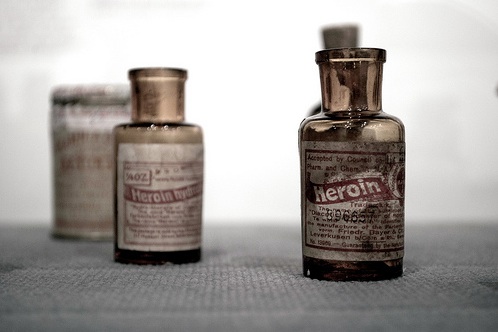
Photo by Amberture.