 Yesterday Mayor Fenty announced a new Department of Consumer and Regulatory Affairs program that will put all 4,800 apartment buildings in the District on a mandatory four-year inspection cycle (two years if inspectors find substantial code violations). Before now, DCRA inspections only occurred after tenants reported problems. The program is being touted as a more proactive way to protect residents, particularly low income ones, from slumlords. (Check out Hamil Harris’s story in the Post for an amusing anecdote from the presser, which took place at a Southeast apartment building that Fenty was holding up as an inspection success story. Harris reports that city officials appeared “taken by surprise” by a group of residents who interrupted the mayor to point out existing code violations in the building.)
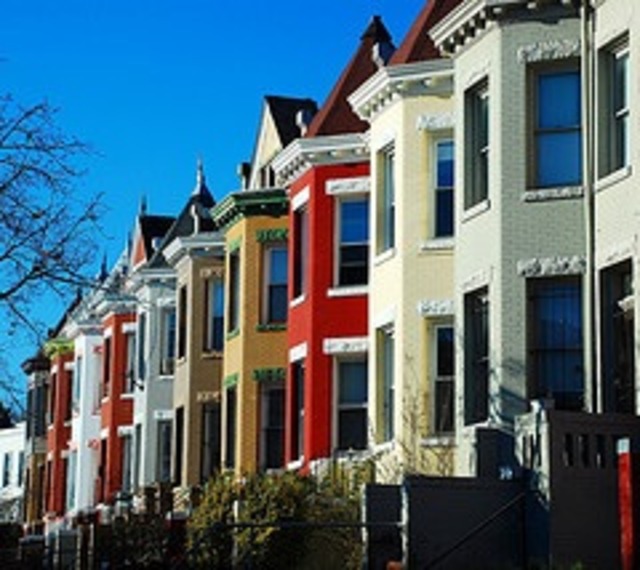
Regular inspections sound like a great idea to us, but the question that popped in to our minds was, what about non-apartment renters? Loosely organized group homes in rowhouses across the city have to be just as susceptible, if not more so, to slumlord conditions as apartment buildings, but since so many of them are not even registered as rental units, the city would be hard pressed to adopt a similarly proactive approach for them. If you’re a rowhouse renter who suspects your home may not be up to code and your landlord isn’t cooperating, check out thisshouldbeillegal.com, DCRA’s web site aimed at college students living in off-campus housing in the city. It’s got lots of helpful info on how to request an inspection and how to check if your landlord is registered with the city.
Photo by Pappa91