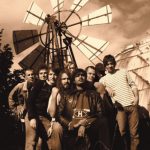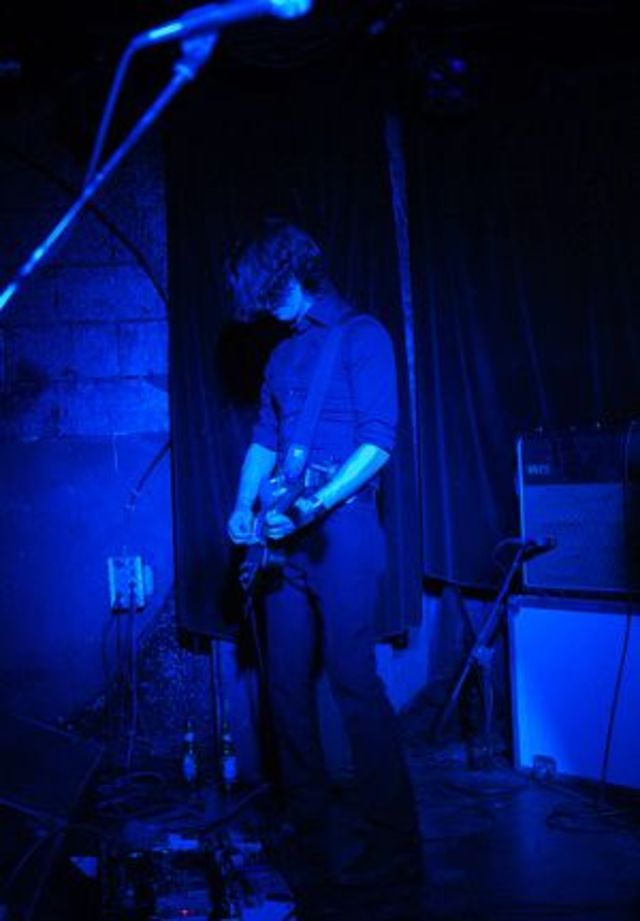
 Longwave’s Steve Schiltz from Flickr user Marcus Metropolis
Longwave has been riding the rock ‘n’ roll rollercoaster for the last decade. Their first big moment came in the wake of the release of their second album, 2003’s The Strangest Things. They mined the early 21st century sonic palate that New York is now famous for; percussive, dark and driving rock music. It is the same basic sound that has catapulted similar bands to stardom. Even though Strangest Things featured a few great tracks, (see “Tidal Wave,” “Wake Me When It’s Over” and “Everywhere You Turn“) Longwave were less fortunate that some of their contemporaries. A lackluster third album and a major label merger between RCA Records and Sony BMG left them without a label or tour, and swimming in bills. The members went their separate ways. Guitarist and singer Steve Schiltz toured with Albert Hammond Jr. Band, while guitarist Shannon Ferguson and drummer Jason Molina went on to form Falcon. Over the last few years their focus returned to Longwave, and two months ago they released their fourth and most critically-acclaimed album of their career. DCist recently had the chance to speak to Longwave singer, Steve Schiltz about their latest tour (which brings them to DC9 this Sunday, 1/18) and their new album, Secrets are Sinister.
I’ve been following you guys for some time, I think the first time I ever heard you was in a Virgin Megastore in Columbus, OH. I picked up The Strangest Things and I remember really liking the album and listening to it alongside Interpol, The French Kicks, and The Strokes. I was wondering why you thought more people weren’t following your music along with those acts that were coming out of New York at the time?
Steve Schiltz: Yeah, thanks, I don’t know. It’s not really a question I know how to answer and if I did I would have made it happen differently.
There were some issues when you were on RCA Records and you were subsequently dropped.
SS: It wasn’t a big deal…it wasn’t a surprise. If we had sold hundreds of thousands of records, we’d still be making records for RCA. Everybody is in the business to make money so it wasn’t a surprise, but it definitely took us some time to regroup and figure things out.