
Two movies open tomorrow featuring British men with a fundamental and crippling fear of being alone. Both have extremely strong bonds to the men in their lives. When those men disappear, they are left alone with their worst inclinations. The two have very different coping mechanisms. For one, the answer is suicide. For the other, it is to commit enough mischief and calculated manipulation to bring his wayward partner back into his orbit.
For George Falconer (Colin Firth), the buttoned-down literature professor of Tom Ford’s A Single Man, the latter isn’t an option. His lover and partner of many years cannot be brought back from where he has gone, and after months of putting on a brave face, going through the daily rituals of becoming the man everyone around him expects him to be, he’s had enough. Ford’s film, based on a 1964 novel by Christopher Isherwood novel, takes place across a single day as George goes through the motions of a typical day, always with his mind targeted on the revolver in his briefcase with which he intends to end it all.
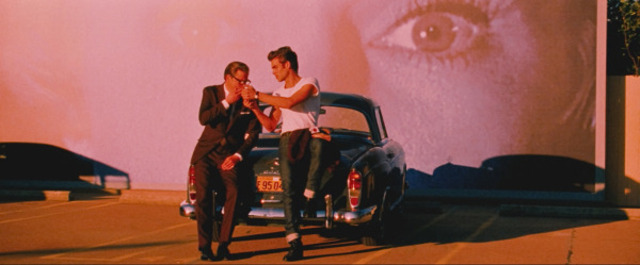
This is Ford’s first film, the start of a second career in his late 40s after establishing himself as one of the world’s premiere fashion designers. As one might expect, Ford pays particular attention to every visual detail. But not only is the film meticulously designed, choreographed, and costumed, but everything is photographed (by young Spanish cinematographer Eduard Grau) with an eye towards conveying story and meaning via well-thought-out use of color. From washed-out earth tones to stark black-and-white to rich color, the color of every scene is a reflection of the mood and interior world of George.