Martin Austermuhle
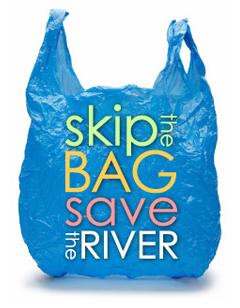 Much like the now three-year-old ban on smoking in District bars and restaurants, the five-cent disposable bag fee that took effect in January garnered initial controversy, but is already on its way to being just another part of living in the city. But how effective has the fee been? Very, it seems.
According to a press release from the office of bag fee champion Tommy Wells (D-Ward 6), a report from the D.C. Office of Tax and Revenue found that the city took in just shy of $150,000 in bag fees in January, all of which will go toward cleaning up the Anacostia River. That’s not a lot of money for what is a huge and multi-year endeavor, but what is notable is how much the use of plastic bags is reported to have decreased. The report accounts for the purchase of around 3 million plastic bags in January, a huge drop from the average 22.5 million bags District residents were estimated to have used per month prior to the fee’s implementation.
On its face, you could then claim that the five-cent fee pushed District residents to use 19 million fewer plastic bags in a single month. But keep in mind, this is just the first month of results, when there were certainly scofflaws who didn’t charge for bags. Still, if the math is even half right, that’s a massive change in consumer behavior — one spurred by nothing more than a nickel.
And while opponents of the fee will point to the scant funds it has taken in for the Anacostia clean-up, fee proponents argue that fewer bags in the river — estimated to be 20 percent of all refuse that ends up there — means less money spent on fishing them out.
Wells must be pleased with the timing of the report — he kicked off his re-election campaign over the weekend.