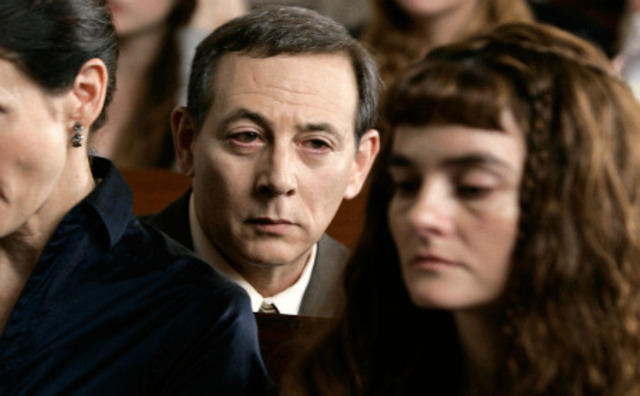
 The first scene in Life During Wartime is a reprise of the unforgettable opening of Happiness, Todd Solondz’s 1998 feature. Both are set in elegant restaurants, joining a dinner in the midst of an emotional moment. There are tears, a tentative, fumbling conversation, and a surprising emotional outburst. But even though both of these characters were in Happiness, and one of those characters was in that same opening scene, the actors are different. So it is with the rest of Life in Wartime, which picks up the lives of the Jordan sisters, the trio of Jersey women around whom the first film rotated, ten years after the events of that movie — but with an entirely different cast.
This isn’t the first time that Solondz has played games with identity by switching actors: in his last film, Palindromes, his lead character was a 12-year-old girl played by ten different actors of varying ages, races, and genders. Here, the effect is less obviously meaningful as it was in that work, though Solondz does change some of the characters in subtle ways not always explainable by the passage of time.
Whereas Happiness presented profoundly, pathologically screwed-up people whose search for fulfillment often came at the expense of those around them, Life During Wartime deals with the aftermath: specifically, the search for forgiveness. The first film’s transgressors were just trying to understand their urges and navigate their lives, often while indulging even the most depraved of those urges. Now, the damage has long since been done, and they’re looking for some healing.