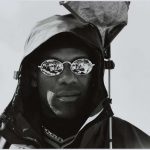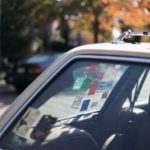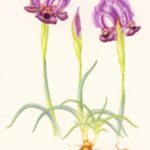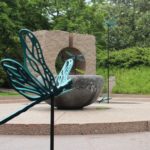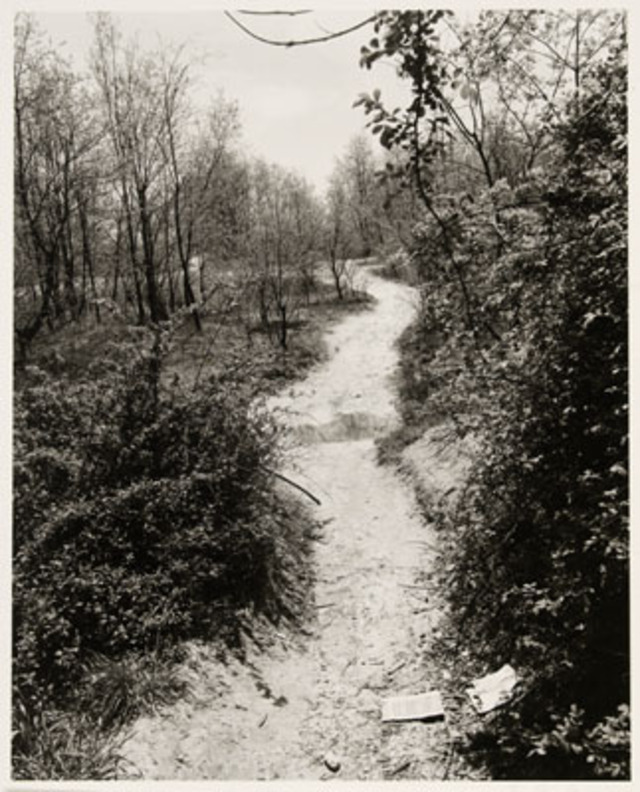
 John Gossage, Untitled. From The Pond, 1985. Gelatin silver print. Smithsonian American Art Museum. Gift of anonymous donors.
In the early 1980s, John Gossage photographed a small pond on his commute between Washington and Queenstown, Maryland. Or so goes the story. These images went into his first and now classic book, The Pond, and are gathered for the first time in a gallery setting at the Smithsonian American Art Museum. The handsome volume was first released in 1985 by Aperture, and is slated for re-release later this month.
The curators place Gossage’s work in the context of surveys created by the photographers of the New Topographics school in the 70s — those like Robert Adams and Lewis Baltz, who took in the the American landscape, not with an eye to the majesty of nature, but with a gimlet-eyed lens on its fragility; and also in the context of Ed Ruscha’s dead-pan surveys like Twenty-six Gasoline Stations or Every Building on the Sunset Strip.
The Pond naturally resonates with Walden (Gossage came to Washington at the age of nineteen to attend the Walden School), but is of course far from idyllic. The peripatetic photographer veers off the road onto a dirt path (the book’s first image) and follows it around the pond. Moments of sylvan tranquility are easily broken with a glance through anemic woods towards carnival rides and industrial structures in the near distance. The path and pond is strewn with cultural detritus: discarded automobile tires, receipts, a Mountain Dew can.