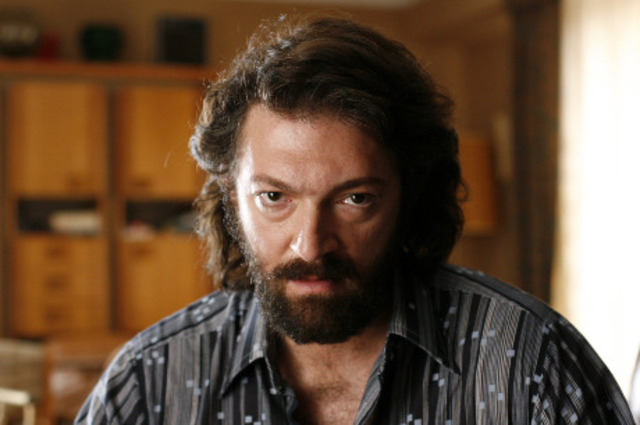
 In the first half of Jean-François Richet’s sprawling, messy, and indispensible double-shot biopic on the life of Jacques Mesrine, the French criminal legend is a roiling cauldron of frightening intensity. He’s young, he’s on the rise, and while not every caper is a success, it’s still best to stay out of the way of this bull — even on his less-than-perfect days. When we leave Mesring at the end of that film, he’s just finished escaping from a Quebec prison, only to audaciously return with heavy artillery to spring some of his buddies as well.
But as part two begins, we see a different Mesrine. Back in his native France, he is cocksure and jovial. His natural humor and charisma have taken over, and, emboldened by his Houdini-like ability to escape the clutches of police and the penal system, he has an easy confidence. He seemingly no longer feels the need to threaten, because he feels threatened by no one and the mere mention of his name is enough to intimidate.
Mesrine isn’t bullet-proof, though, and despite his prodigious abilities as a crook, the movie presents him as a fairly sloppy one. He and his cohorts have a habit of getting shot on their jobs, not to mention the fact that he wouldn’t have needed to escape from prison so many times if he had managed to avoid getting caught to begin with. And he does get caught again at the start of this film, then escapes in a jaw-droppingly ballsy fashion so unbelievable that one would swear it was a writer’s fantasy if not for the fact that it actually happened. But he gets nicked again, and ends up doing some serious time (during which he writes and has smuggled out a manuscript for L’instinct de Mort, the autobiography on which the first film was based).