Martin Austermuhle
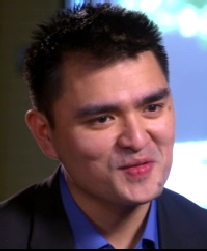 In 2008, Washington Post reporter Jose Antonio Vargas won a Pulitzer Prize for his reporting on the Virginia Tech massacre. Up until that point, Vargas had been best known for his brave chronicling of HIV/AIDS in the District, work that eventually informed The Other City, a powerful documentary on the epidemic and the people in the city that it ravaged.
Today, Vargas turned the pen on himself, writing in the New York Times Magazine that he has lived illegally in the U.S. since first arriving from the Philippines in 1993. The admission, which could very well get him deported, was motivated by other young immigrants who are demanding paths to legalization, so they can stay in the only country they know:
Last year I read about four students who walked from Miami to Washington to lobby for the Dream Act, a nearly decade-old immigration bill that would provide a path to legal permanent residency for young people who have been educated in this country. At the risk of deportation — the Obama administration has deported almost 800,000 people in the last two years — they are speaking out. Their courage has inspired me.
Vargas’ tell-all documents how his mother sent him to live in California with his grandparents, and how, from that point on, falsified documents and the generosity of his closest friends allowed him to gain an education and climb the professional ladder through journalism, culminating with his celebrated work at the Post.
(Full disclosure: I’m not a U.S. citizen myself, though I’ve been here legally in one form or another for 14 years. I’ve certainly been lucky to have the means to stay in the U.S., though immigration-related concerns aren’t only limited to the undocumented.)
A little closer to home, local blogger Carlos in D.C. also came out recently, penning a post last week in which he admits that he’s overstayed his visa.
If there’s any irony to Vargas’ story, it’s that he first looked to the Post to publish it — but it passed.