Martin Austermuhle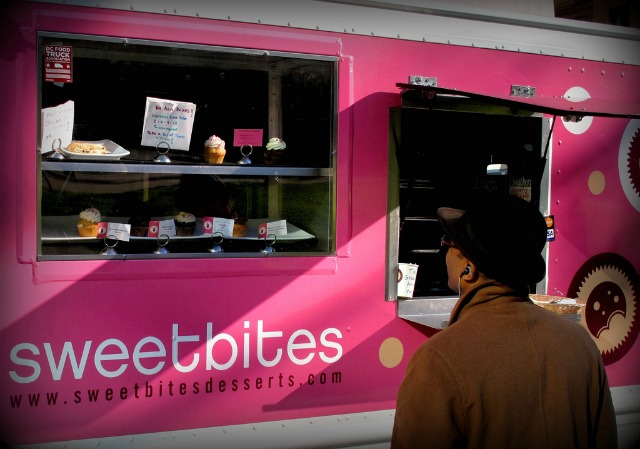
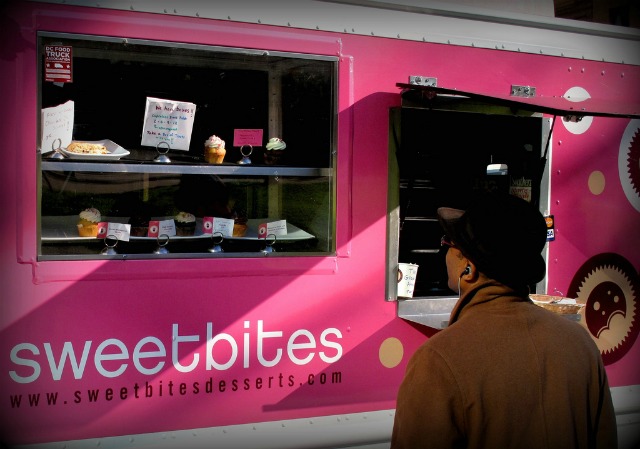 Photo by LaTur
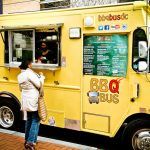
A particularly testy issue may be coming closer to a resolution, as a new set of rules governing the District’s food trucks will eventually be sent to the D.C. Council for an up or down vote. A 30-day public comment period on the new rules (which was extended) closes this Thursday, after which the Department of Consumer and Regulatory Affairs may make changes and send the rules to the council for consideration.
Amongst the most significant changes under the rules proposed in late January was the establishment of “Vending Development Zones,” or areas around town where food trucks could operate more freely. The rules were additionally tweaked to allow food trucks serving savory foods to remain in a specific location as long as they’ve paid for the parking; under existing rules, they have to move if they have no customers in line. Dessert trucks, though, will still have to move along if they go more than 10 minutes without a new customer. Sidewalk vendors would also benefit under the new rules, with new areas being designated for where they can do business.
The District of Columbia Food Truck Association was quick to jump to endorse the rules, though it proposed slight tweaks, including changes to the vending zones so that brick-and-mortar restaurants would not be able to create food truck-free zones. Traditional restaurants and the organizations that represent them have expressed various degrees of opposition, some arguing that the trucks enjoy unfair advantages simply by existing while others arguing that they should be forced to pay the same taxes and fees paid by restaurants.
According to DCRA, over 2,500 comments have been submitted during this period; that’s on top of the 2,500 that poured in when the city announced that it was looking to update the District’s old vending regulations. From the look of it, the food trucks’ grassroots lobbying seems to be paying off — many of the comments are simple copies of the Change.org petition letter the Food Truck Association posted. (As of mid-February, 2,000 people had signed the petition.) The food trucks have even picked up some odd allies, including Colonial Parking, which said in a letter that it “employs hundreds of local residents who have come to rely on food trucks for affordable, reliable and convenient delivery of services during the busy work week.” (There’s probably some self-interest here, too — if food trucks can take up on-street parking spots, that’s more business for parking lots!)
The D.C. BID Council, an umbrella organization for the city’s business improvement districts, submitted comments in opposition last week, asking that DCRA include a rule that vending sites be pre-approved, that not all on-street parking in one location be handed over to food trucks and that hefty fines be imposed for blocking crosswalks and handicapped ramps. (The D.C. BID also expressed concerns with the vending zones, maybe the one thing that brick-and-mortar restaurants and food trucks agree on.)
It’s possible that the District’s restaurant lobby is biding its time and will pull out the big guns with the D.C. Council, which will eventually vote on whether to adopt the rules or not. According to DCRA, though, the rules could be republished in the D.C. Register again for more comments before going to the council; it depends how substantial the changes made are.