Martin Austermuhle
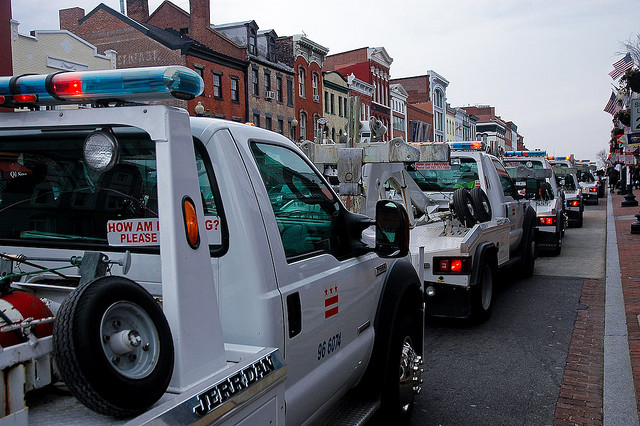 Photo by Constructed Space
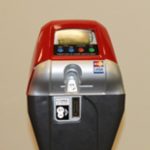
We’ve long sung the praises of the Parkmobile pay-by-phone parking app—it’s about as convenient as paying for parking can get, after all, even if you do have to pay a 32-cent surcharge each time. But one libertarian scholar is somewhat skeptical of the app, saying that he thinks that D.C. used it to track down his car and tow it.
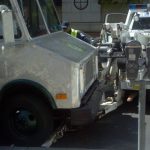
 In a blog post published yesterday afternoon, Cato Institute scholar Daniel J. Ikenson tells the story of a baseball outing gone horribly wrong. After parking his car and paying using Parkmobile, he returned after the game only to find that his car has been towed by the D.C. Department of Public Works. After being sent by a DPW representative to a number of locations to find his car, he was led to an impound lot and informed that he was past due on two $125 automated speeding tickets. To get his car, he had to pay $100 for the towing, $40 for the storage and the tickets plus late fees—all told, north of $600.
That in and of itself isn’t notable. Cars get booted and towed all the time for unpaid traffic and parking tickets. But Ikenson believes that DPW used Parkmobile to find his car so it could be towed:
What had happened was that upon registering my tags to initiate the Pay-by-Phone meter service, a database linked to the computer system of the otherwise incompetent DPW generated a red flag indicating the location of a vehicle associated with unpaid fines. DPW acted with dispatch and efficiency to steal my car to hold as collateral, and then with incompetence about locating it and indifference about the enormous inconvenience and expense of the process.
For Ikenson, the experience wasn’t just a pain, but also a lesson to be learned. “Be careful about the allure of technological convenience; it might just be Big Brother waiting to pounce,” he concluded.
Or it might just be really bad luck.
Linda Grant, a spokeswoman with DPW, told us that the agency does not check Parkmobile registrations for outstanding tickets. “We do not cross reference parking tickets with Parkmobile,” she said. The D.C. Department of Transportation, which manages the contract with Parkmobile, concurred.
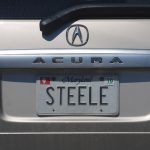
So how did his car get towed? Grant’s explanation isn’t likely to make Ikenson—or any libertarian—any happier: it was License-Plate Recognition Technology, which is mounted on an increasing number of city vehicles.
“In this case, our LPRT identified the vehicle, which was booted for the outstanding tickets, then towed it to the West Virginia Avenue, NE short-term impoundment lot. When we tow a booted vehicle, the boot is removed, so the motorist would not have seen the boot. A vehicle is considered boot-eligible when it has two or more unsatisfied tickets,” wrote Grant in an email.
What happened to Ikenson could happen to anyone—D.C. has been getting more and more license plate readers in recent months.