Martin Austermuhle
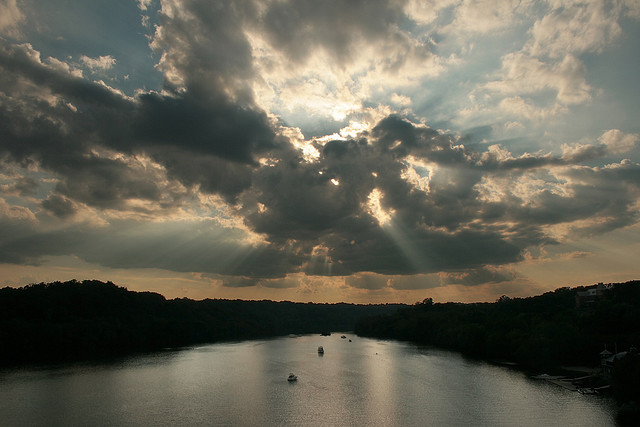 Photo by AlbinoFlea
Over the weekend, the Potomac River from Georgetown heading north was dotted with speed boats and kayaks. The perfect summer days made getting out on the river an obvious choice—but being out on the river didn’t mean being in it.
That the Potomac is so polluted—it was recently called the nation’s most endangered river—that humans are strongly discouraged from ever going in is an ongoing reminder of how poorly the region has treated the waterway. Today the Post reports on the reasons why you should stay out of the water, which include years of “motor oil, fertilizers, animal waste and city and suburban chemicals” making their way into the water—especially after heavy storms have overwhelmed D.C. combined sewers. If you just can’t help but jump in, obey these guidelines:
Don’t enter the water for several days after a big rainstorm. Don’t swallow water. Don’t get in if you have a cut or open sore: It’s like a patio door for germs. Don’t swim if you have an immunosuppressive disease or general poor health.
Will this ever change? The region’s lawmakers certainly hope so, and they’re taking small steps toward it. Last year D.C. Water broke ground on a massive tunnel that will go under the Anacostia River and collect stormwater runoff to prevent it from flowing into the city’s two rivers. Additionally, as part of Mayor Vince Gray’s ambitious 20-year sustainability plan, D.C. is encouraging impervious surfaces to be converted to green space. As part of that plan, in fact, Gray has said that he’d like to see the Potomac and Anacostia rivers be swimmable by 2032.
Is that possible? History says it is. In 1979, after a 14-year-long cleanup process, the Potomac River was rated as being clean enough for swimming. At the time, some optimistic D.C. officials even debated establishing the city’s first public beach near Georgetown, a project that never came to pass.