Martin Austermuhle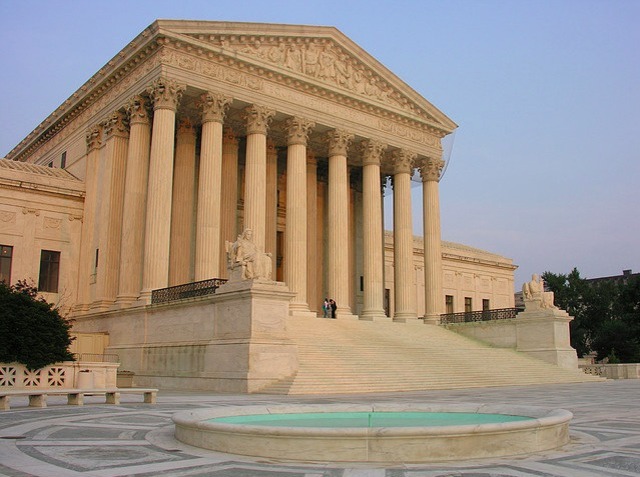
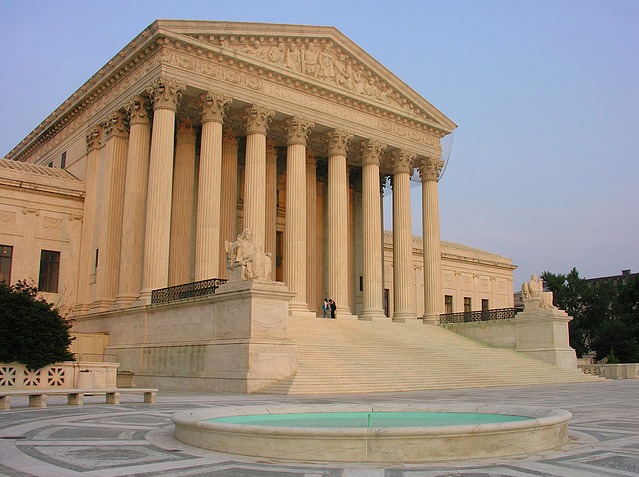 Photo by otavio_dc
 The U.S. Supreme Court today ruled that President Obama’s ambitious health care reform at least in part survived a constitutional challenge, with the heart of the law—the individual mandate—passing muster as a tax.
Sayeth SCOTUSBlog:
The bottom line: the entire ACA is upheld, with the exception that the federal government’s power to terminate states’ Medicaid funds is narrowly read.
More to come.
UPDATE, 10:20 a.m.: It’s looking like Chief Justice John Roberts may have saved health care reform. The key excerpt from the decision: “Our precedent demonstrates that Congress had the power to impose the exaction in Section 5000A under the taxing power, and that Section 5000A need not be read to do more than impose a tax. This is sufficient to sustain it.” Basically, the individual mandate was interpreted as a tax.
UPDATE, 10:30 a.m.: As with many court decisions, this one came down 5-4, with Scalia, Kennedy, Thomas, and Alito dissenting.
UPDATE, 10:35 a.m.: Interesting. The mandate only survived as a tax, but it was deemed unconstitutional under the Commerce Clause. Justice Kennedy is reading the dissent, which begins: “In our view, the entire Act before us is invalid in its entirety.”
UPDATE, 10:45 a.m.: This is Roberts’ explanation for why he joined four other justices in arguing that the individual mandate was unconstitutional under the Commerce Clause: “Construing the Commerce Clause to permit Congress to regulate individuals precisely because they are doing nothing would open a new and potentially vast domain to congressional authority. Congress already possesses expansive power to regulate what people do. Upholding the Affordable Care Act under the Commerce Clause would give Congress the same license to regulate what people do not do.” But since he found that the mandate acts like a tax, it passes constitutional muster.
UPDATE, 10:46 a.m.: The full ruling is here, in PDF format.
UPDATE, 10:50 a.m.: There is one element of the law that was somewhat knocked down, explains the New York Times: “The decision did significantly restrict one major portion of the law: the expansion of Medicaid, the government health-insurance program for low-income and sick people. The ruling give states some flexibility not to expand their Medicaid programs, without paying the same financial penalties that the law called for. “
UPDATE, 11 a.m.: Well, the Republicans on Capitol Hill aren’t wasting any time in trying to repeal the now-constitutional Affordable Care Act:
Cantor schedules House vote to repeal Obamacare (again) during week of July 9th.
— Emily Miller (@EmilyMiller) June 28, 2012