
 The off-the-books “shadow” campaign to elect Vince Gray in 2010 is now the stuff of national and international fodder. Over the weekend, The New York Times and The Economist both published articles for their globetrotting readerships about the scandal embroiling D.C.’s local affairs.
The Economist’s story, which will appear in the newest print issue, is a brief primer on Gray’s rocky time as mayor, recapping both the shadow campaign revelations as well as the guilty pleas by two of Gray’s campaign aides who admitted to paying fringe mayoral candidate Sulaimon Brown to attack then-Mayor Adrian Fenty.
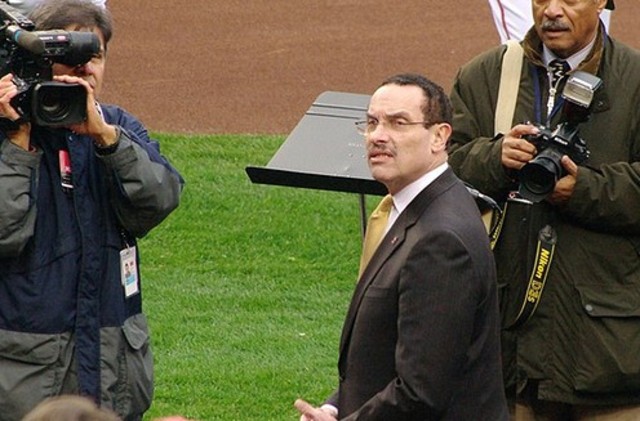
The Times, meanwhile, went a bit deeper in playing catch-up Saturday on the latest parochial rumblings in D.C. A pair of Times reporters followed Gray around last week as he continued his normal mayoral business—ribbon-cuttings and whatnot.
To regular readers of the Post, the City Paper’s Loose Lips column or DCist, the articles about Gray in The Economist and The Times don’t offer any new information, but at least the historical contexts in which the shadow campaign is framed are not the typical reminder of former Mayor Marion Barry’s 1991 arrest in a crack cocaine sting. The Economist leaves Barry out of its story entirely.
The Times invokes Barry and his six-month prison term, but at least it’s not in the usual “Oh, hey, remember this happened?” fashion. The D.C. of 2012 is not the District that Barry governed over two decades years ago:
… Mr. Gray is not Mr. Barry, and Washington today is not the struggling city it was in the 1990s.
With a meticulous reputation, Mr. Gray swept into office as a man of the people, and by many accounts, the city has thrived under his tenure. Construction projects that had long been stalled have sprung back to life. Residents say city services are dependable. And with its bustling business corridors, the city has developed a strong reputation as business-friendly.
Still, not even The Times’ sunny description of D.C. in the Vince Gray era could miss the buzzards flying above the mayor’s office. Laudatory words from Victor Hoskins, the deputy mayor for planning and economic development, “felt less like a news conference than a farewell tribute.”